Understanding ZEVonUDS: The New Diagnostic Standard for Electric Vehicles
As detailed by Softing Automotive, SAE J1979-3 — designated ZEVonUDS — replaces emissions-focused On-Board Diagnostics with a powertrain-centric model for zero-emission vehicles in the U.S. market.
Aldous Moorland·updated August 11, 2026
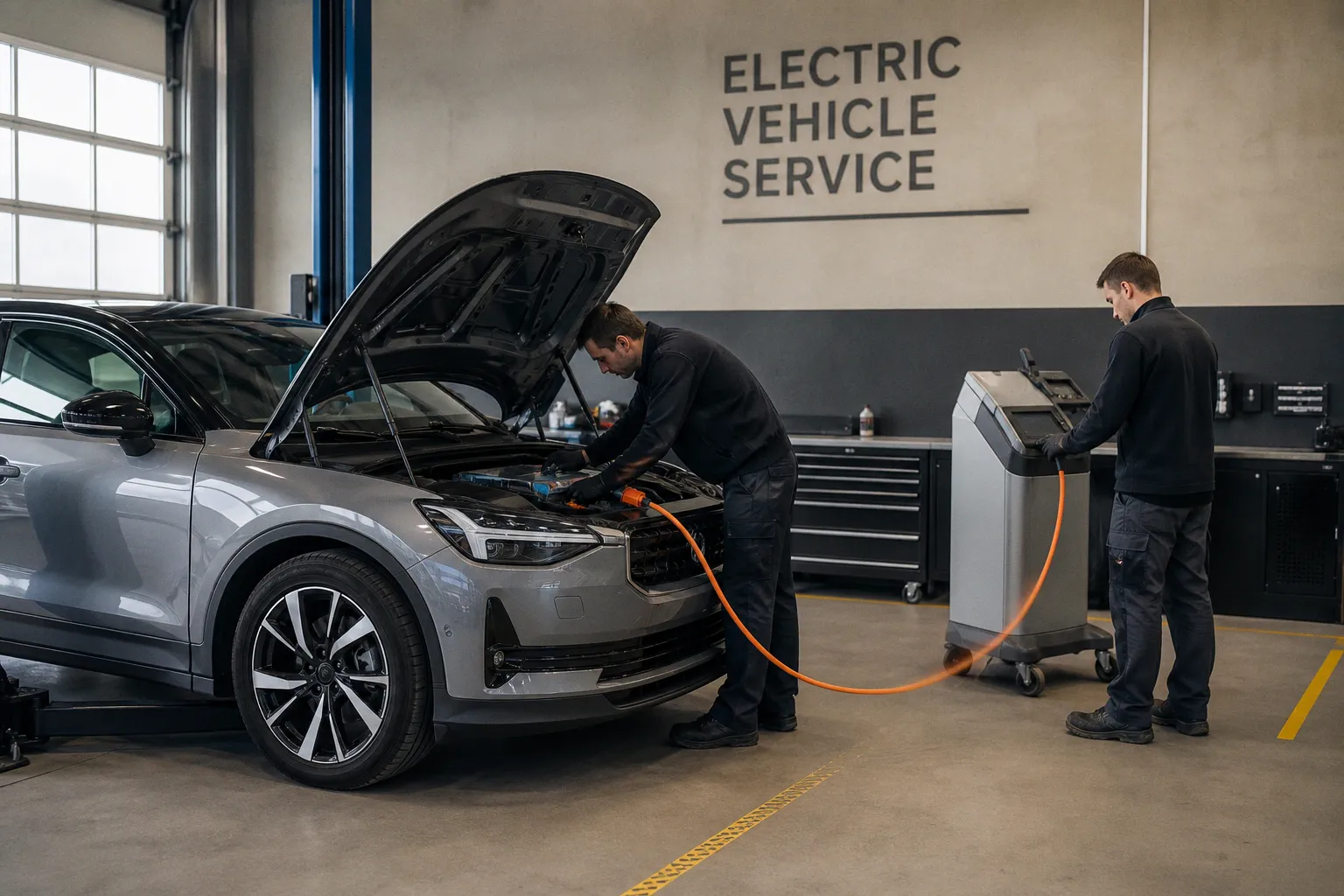
The standard is mandated on ZEVs and PHEVs starting model year 2026, in a phased rollout reaching 40 percent of MY2026 production, 100 percent by MY2027, and full fleet coverage by MY2028 at the latest. For technicians servicing European and Asian imports with electrified powertrains, the diagnostic target migrates from tailpipe chemistry to high-voltage energy storage and thermal conditioning systems.
Reclassification of monitored components
OBDonUDS (SAE J1979-2) tracks components whose failure directly affects pollutant emissions: lambda sensors, catalytic converters, exhaust gas recirculation, particulate filters, and fuel tank venting. ZEVonUDS (SAE J1979-3) inverts the predicate. Failure conditions now apply to components whose degradation directly affects ZEV powertrain performance — the traction battery, the energy storage system, high-voltage charging subsystems tied to regenerative braking, and the thermal management loop supporting the powertrain. The diagnostic threshold is no longer NOx or hydrocarbon output. It is range loss, capacity fade, and operating cost drift.
Parameters, codes, and verification baseline
State of Health for the high-voltage traction battery is reported as the ratio of current capacity to nominal capacity when new, expressed in percent. ZEV-relevant drive PIDs are extracted through compliant scan tools in three or fewer steps. DTCs and InfoTypes consolidate into a single central report. Verification baseline: a healthy pack registers SoH at or above the manufacturer's published nominal value, less any first-year degradation tolerance documented in service literature. Readings below this threshold feed warranty disposition, residual valuation, and battery lifespan modeling directly.
Tooling and import implications
Scan tools purchased for import platforms manufactured prior to MY2026 will require protocol updates to interpret ZEVonUDS service frames. Shops handling Asian-market EVs and European PHEV models entering the U.S. under the phased schedule must confirm tool compatibility before mid-cycle diagnostics. If the scan tool cannot resolve ZEVonUDS DTC structures, the battery SoH PID, or the thermal management InfoTypes listed in the standard, the unit is not compliant for MY2027+ import service.