Section
Chassis & Brakes
Expert breakdowns, diagnostic procedures, and maintenance schedules tailored to your vehicle's specific make and engine.
 Chassis & Brakes
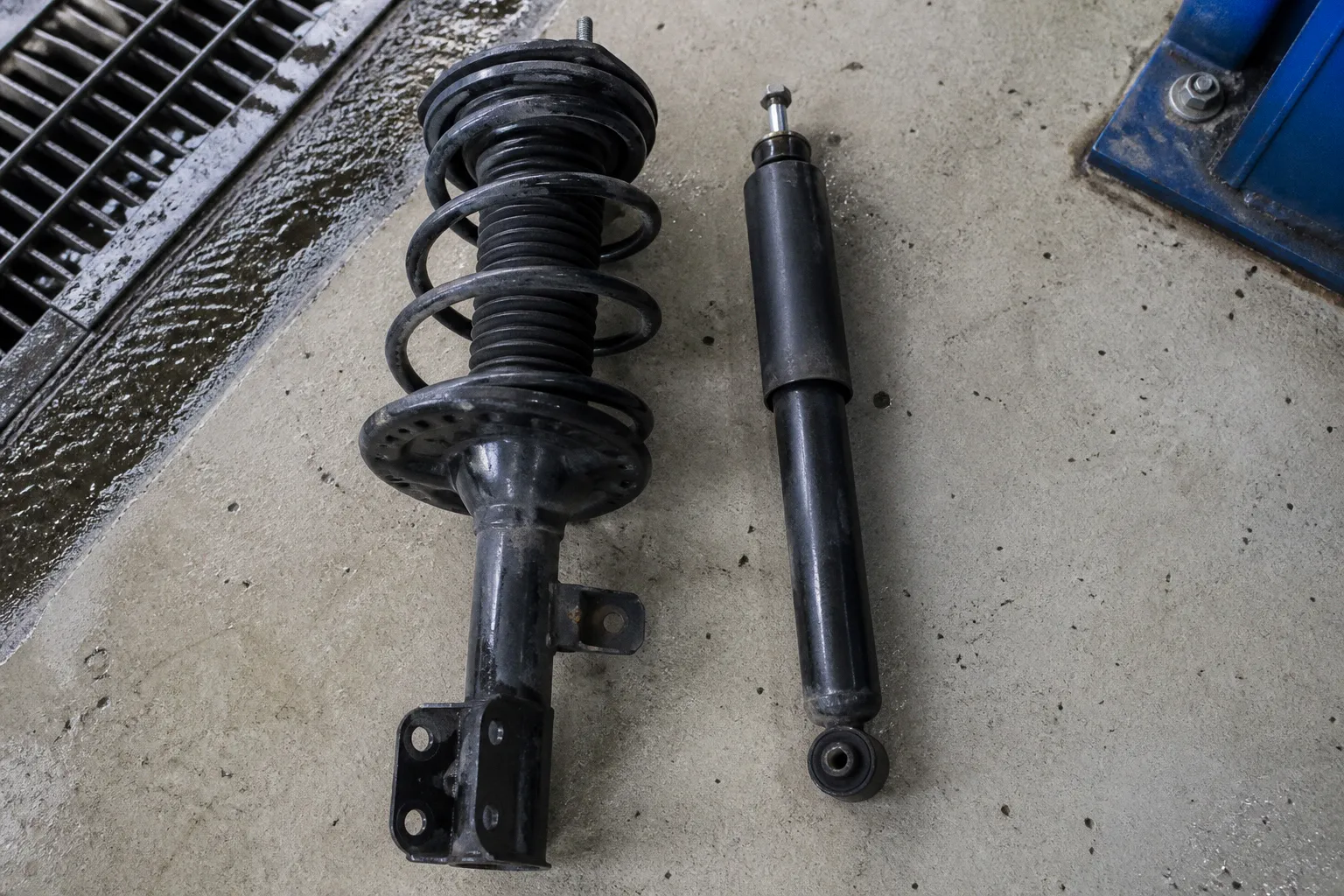
Struts vs shocks: how to identify your suspension setup
A vehicle that pulls after a suspension repair, develops uneven front-tire wear, or shows a changed steering position may have an alignment…

Selecting a Reliable Compact PHEV: A Mechanic’s Perspective on Long-Term Ownership
 Chassis & Brakes
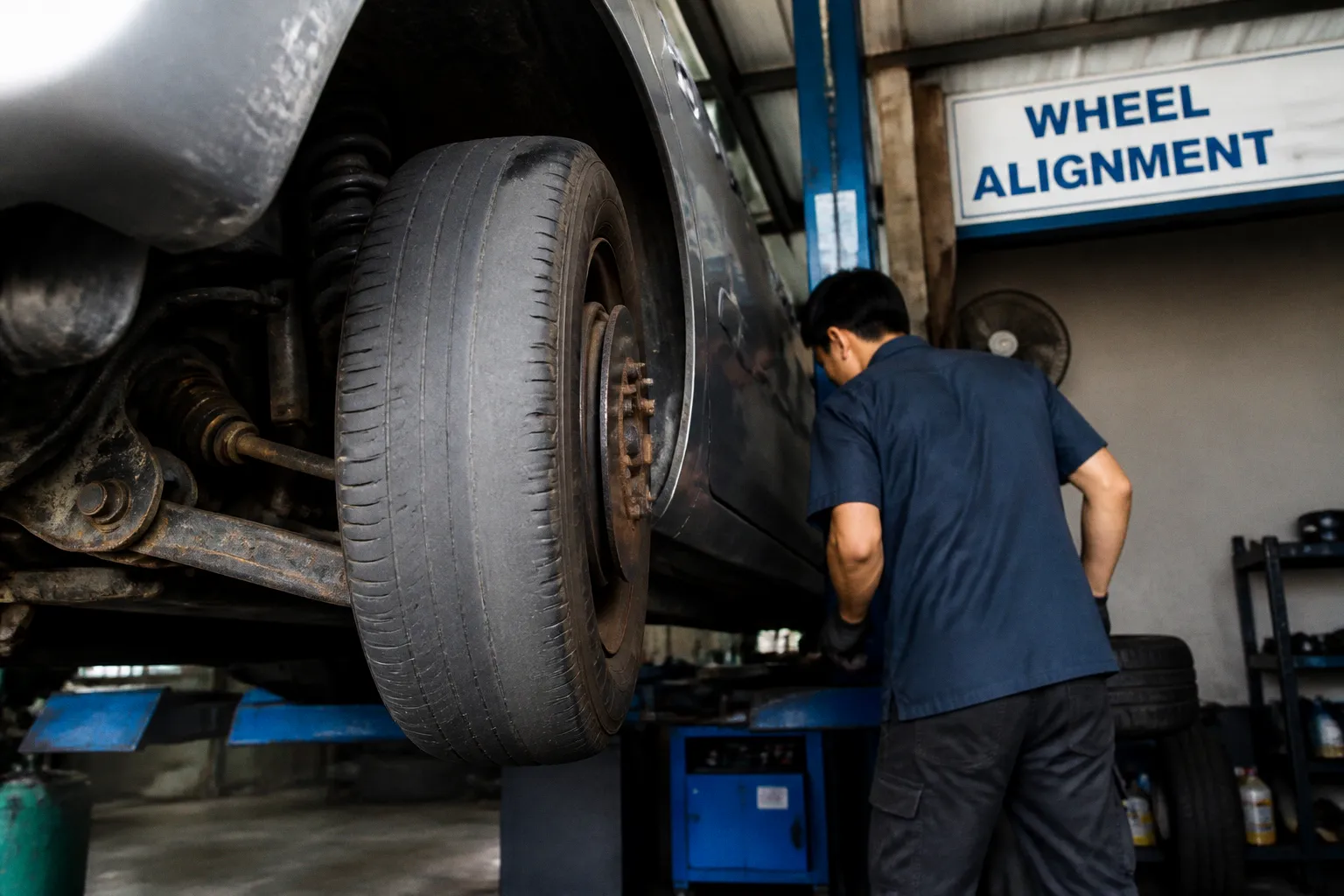
Why Are Your Front Tires Wearing on the Inside?
Inner tire wear causes on the front axle are usually geometric, not cosmetic: the wheel is no longer presenting the tread evenly to the…
 Chassis & Brakes
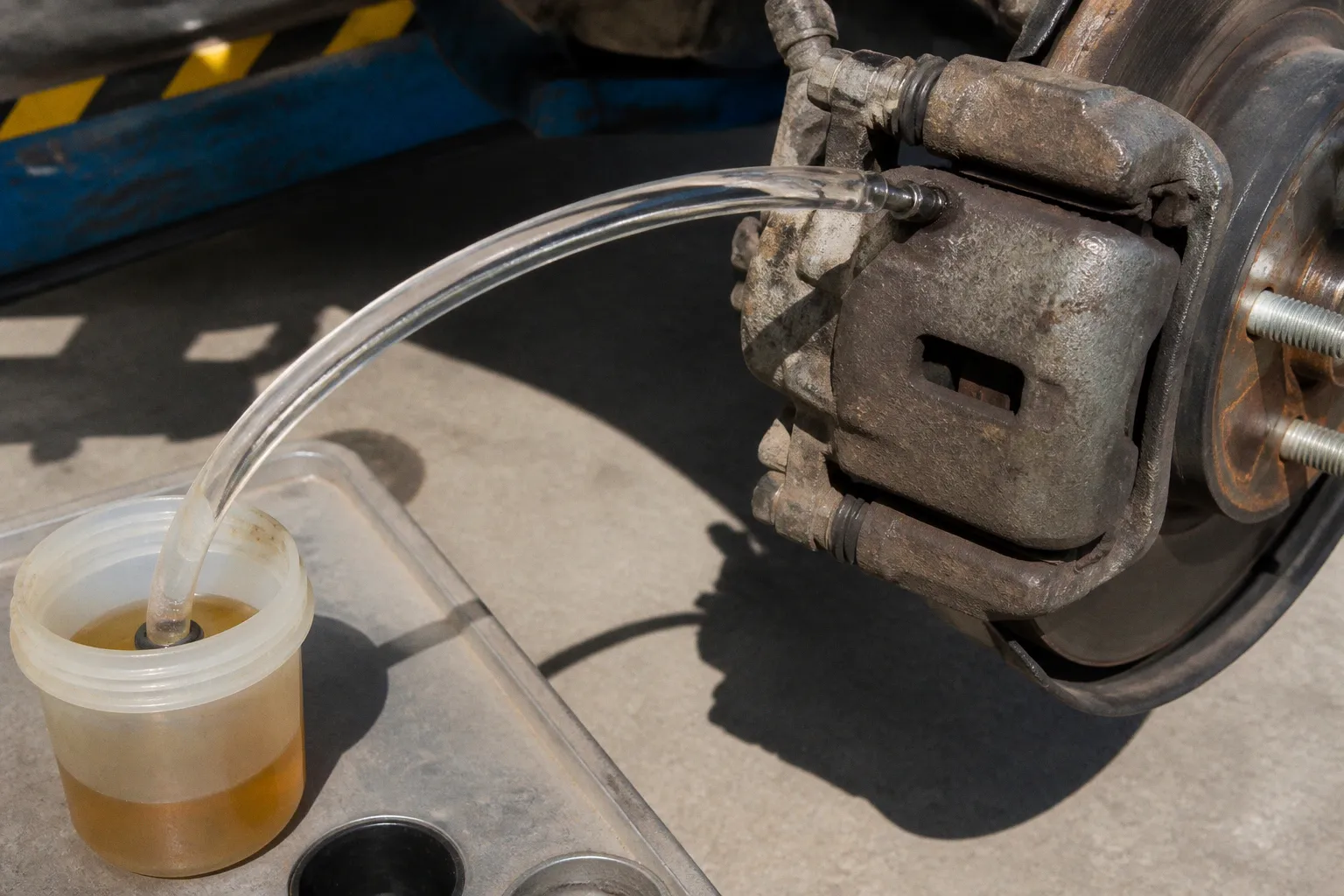
Spongy Brakes After Bleeding: How to Clear ABS Air
A soft brake pedal after bleeding does not prove that air remains in the four brake lines. On a modern vehicle, air can remain inside the…
 Chassis & Brakes
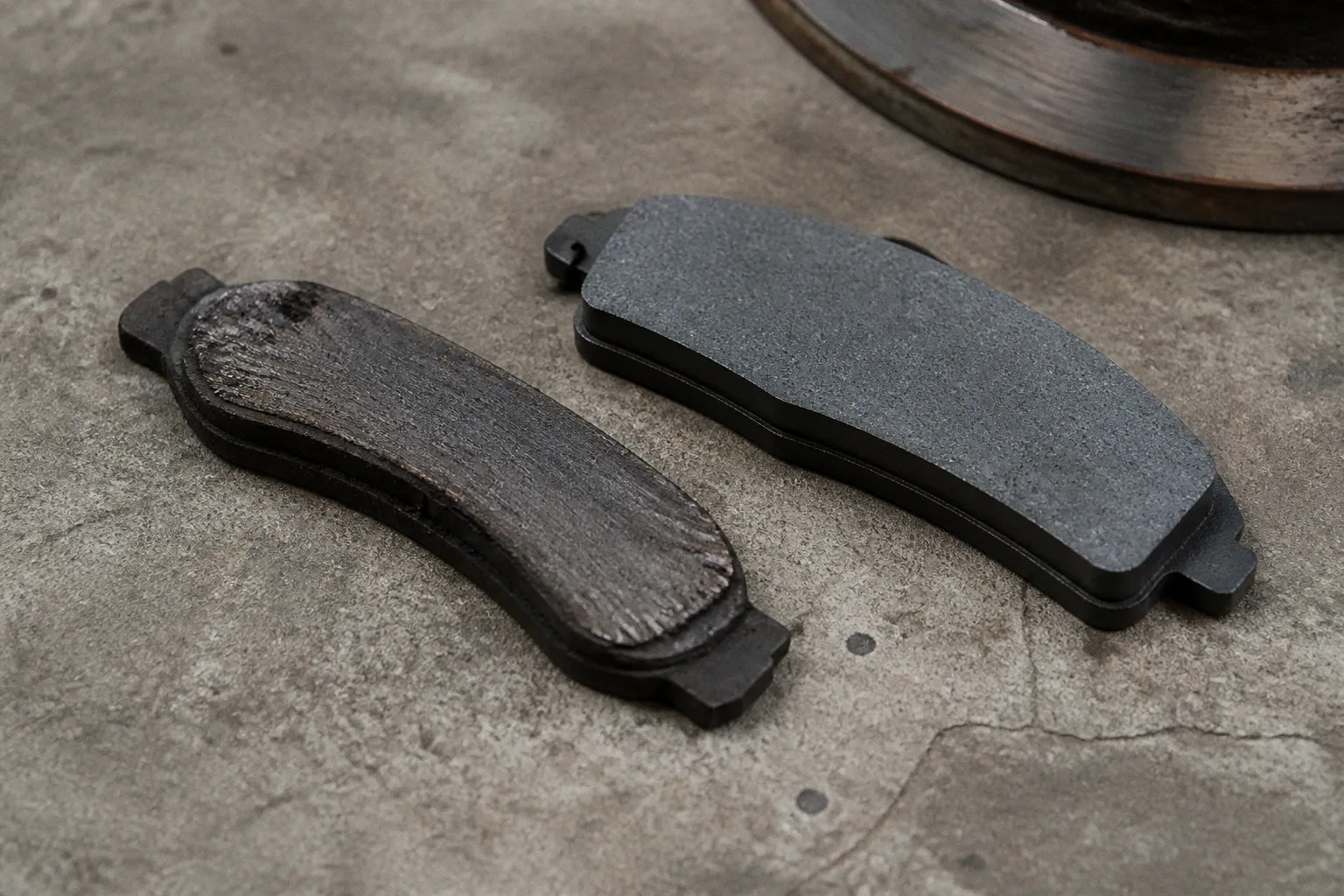
Uneven brake pad wear: diagnostic guide and fixes
An inner brake pad wearing faster than the outer pad is not, by itself, a failed caliper. On a single-piston floating caliper, the piston…
 Chassis & Brakes
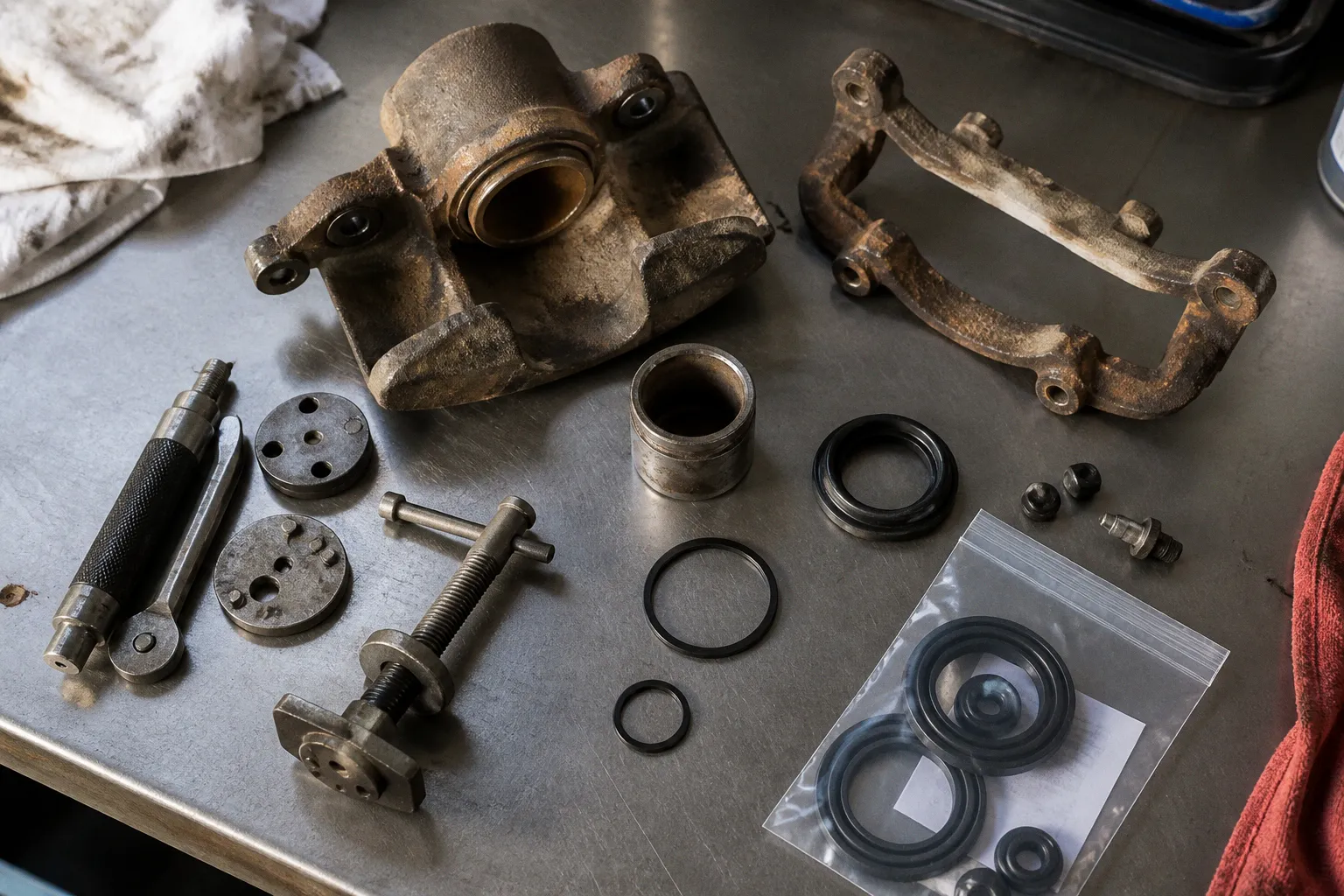
Caliper rebuild vs replacement: how to assess the damage
A stuck brake caliper piston creates a mechanical fault before it creates a diagnostic code. The vehicle may pull under braking. One wheel…
 Chassis & Brakes
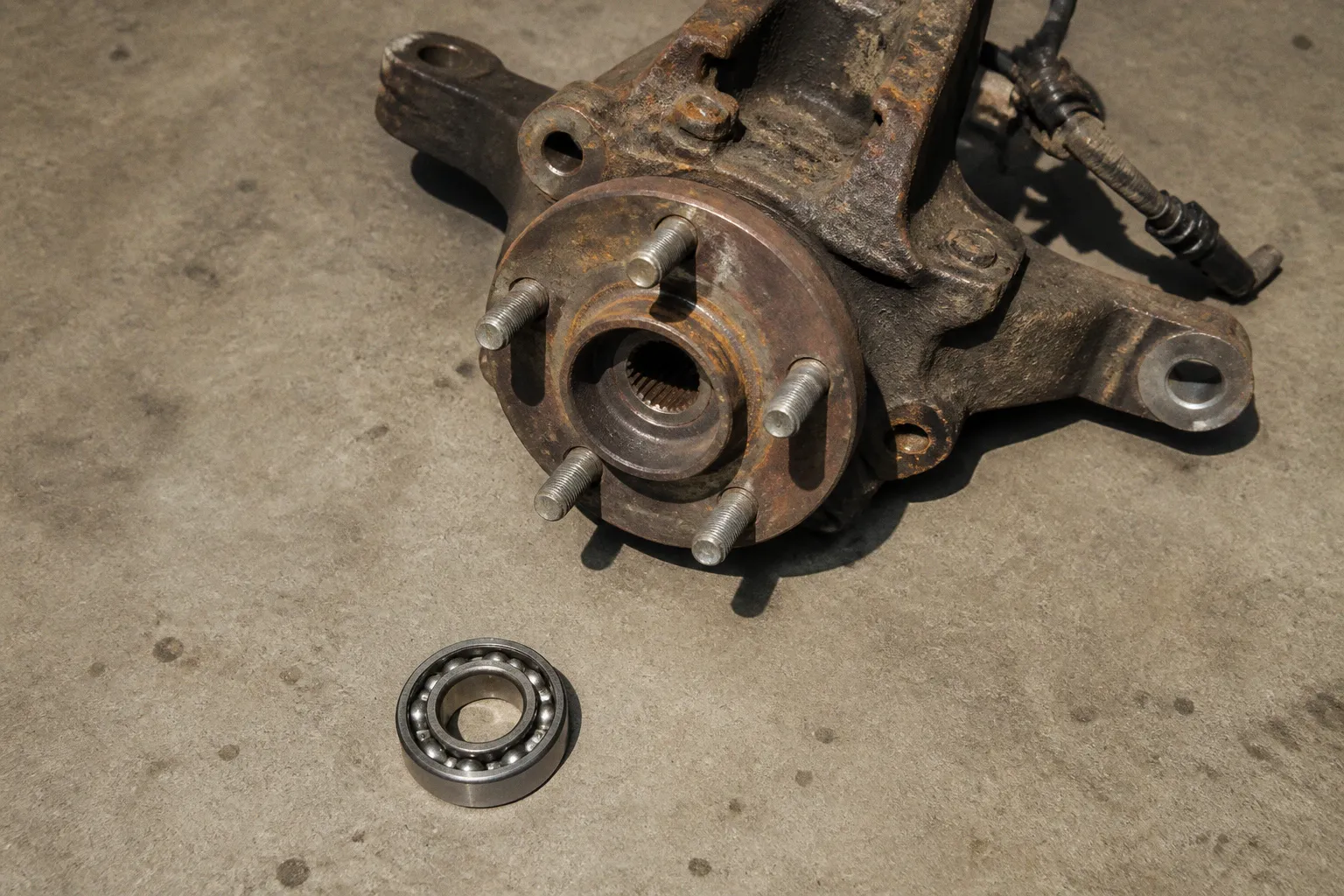
Does a bad wheel bearing always make noise?
A persistent hum is among the most recognizable sounds in automotive diagnostics: a low, cyclically modulated growl that rises with road…
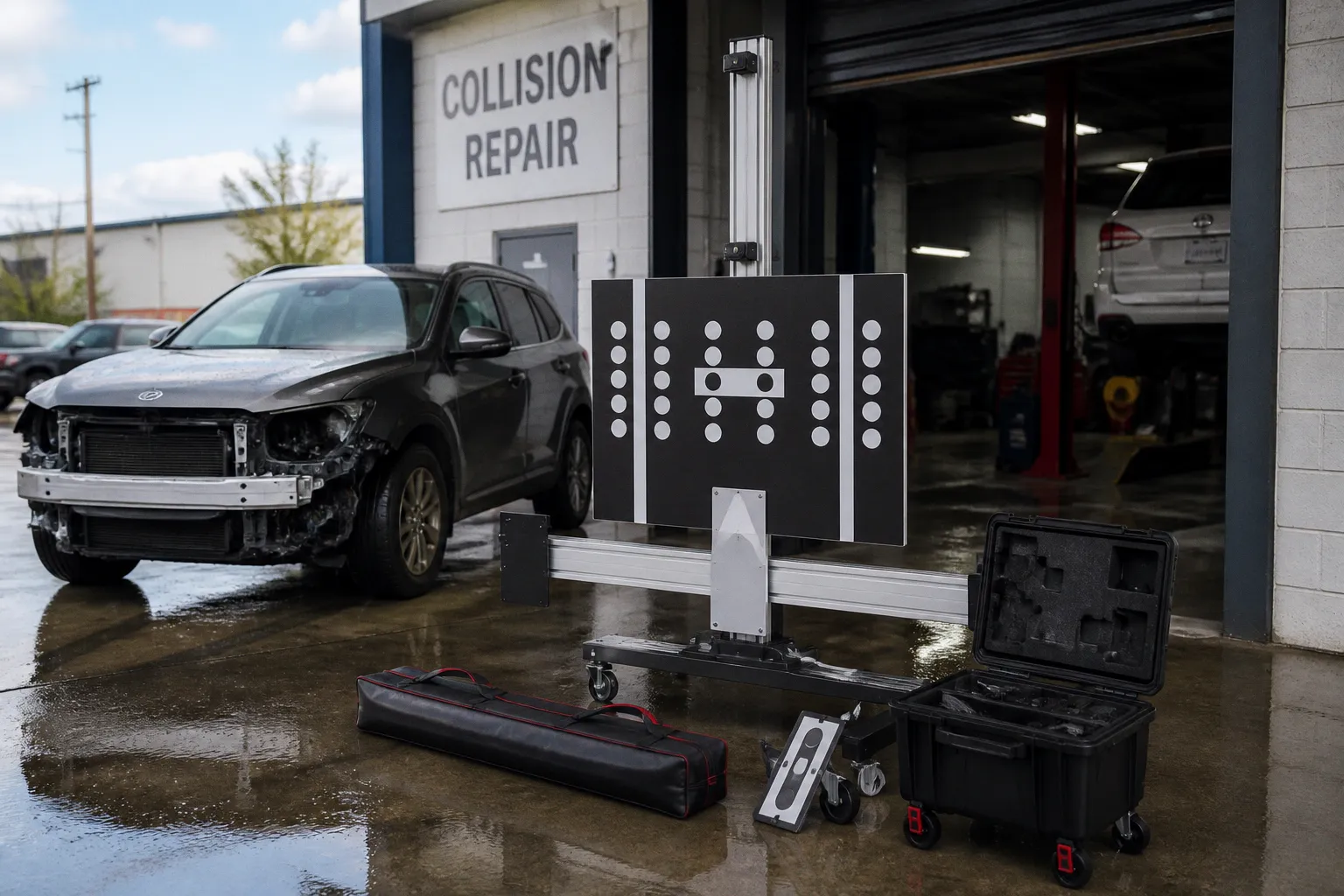
Streamlining Collision Repair: Autel MA800 and CCC ONE Integration Updates
 Chassis & Brakes
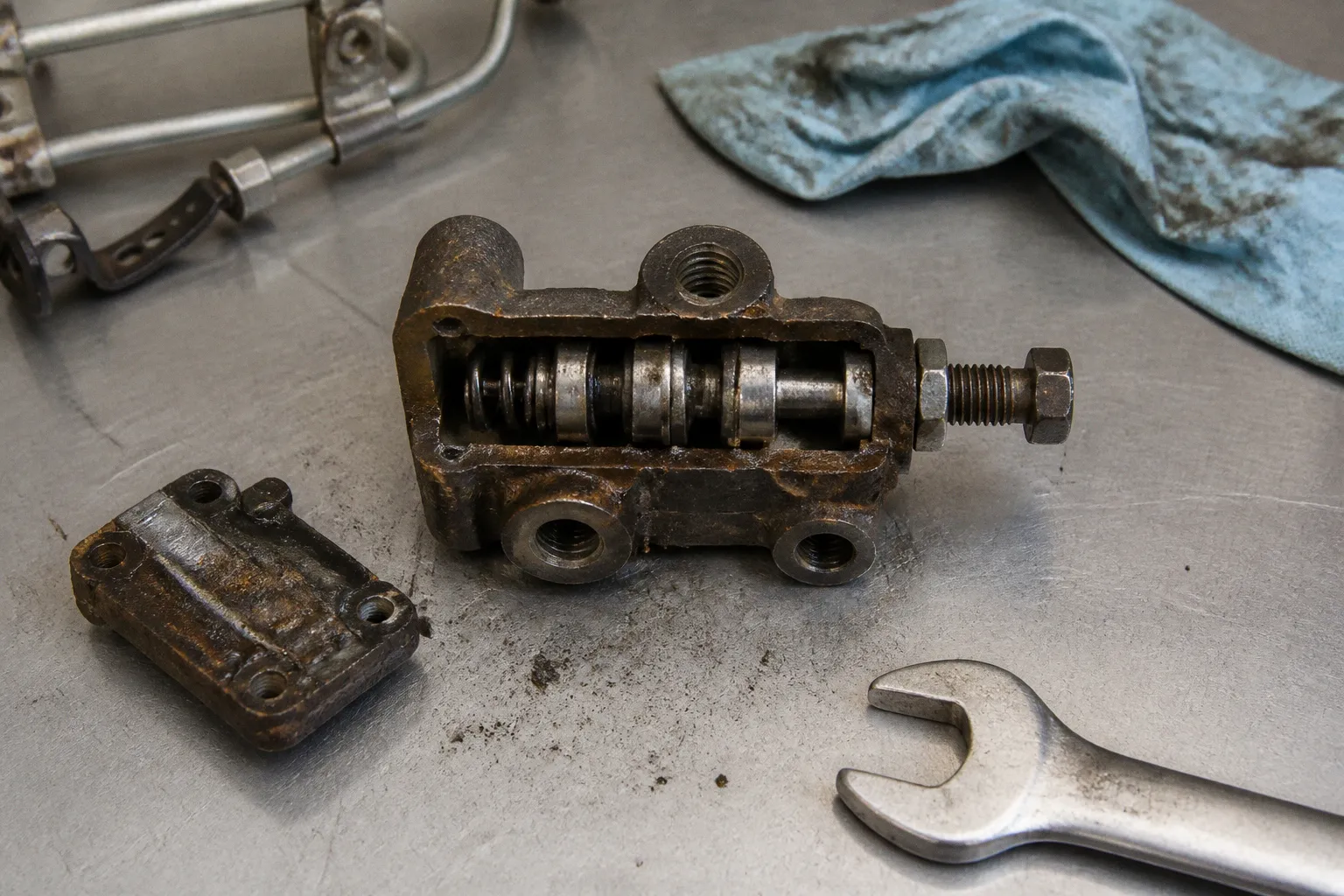
Brake Proportioning Valves: How Hydraulic Bias Is Regulated
A rear brake circuit reaching 900 psi when the front circuit reaches 1,400 psi is not automatically defective. The difference can be the…
 Chassis & Brakes
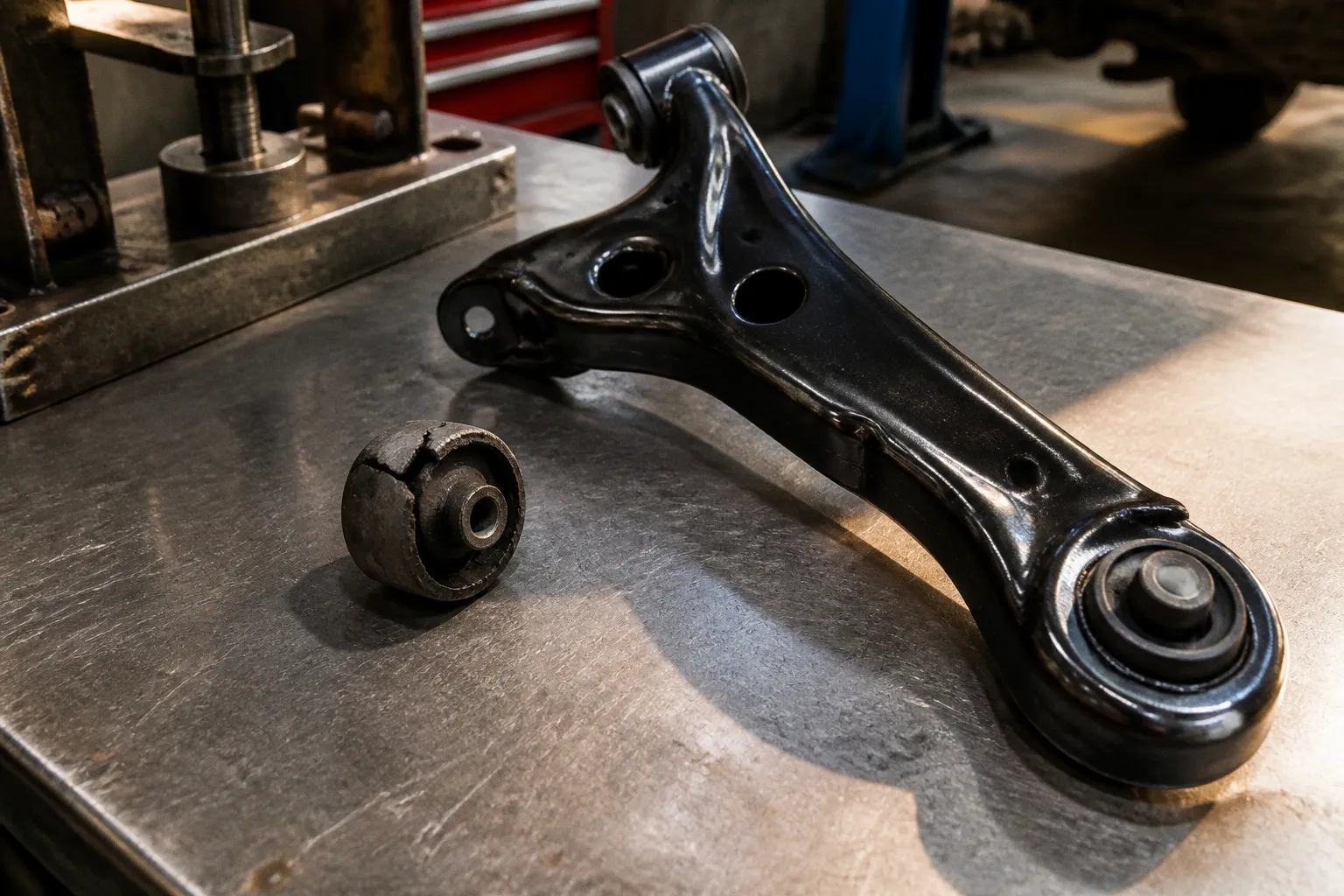
Control Arm Bushing Replacement vs Complete Assembly
A fifteen-dollar bushing and a three-hundred-dollar control arm assembly occupy very different positions in the parts catalog, yet they…
 Chassis & Brakes
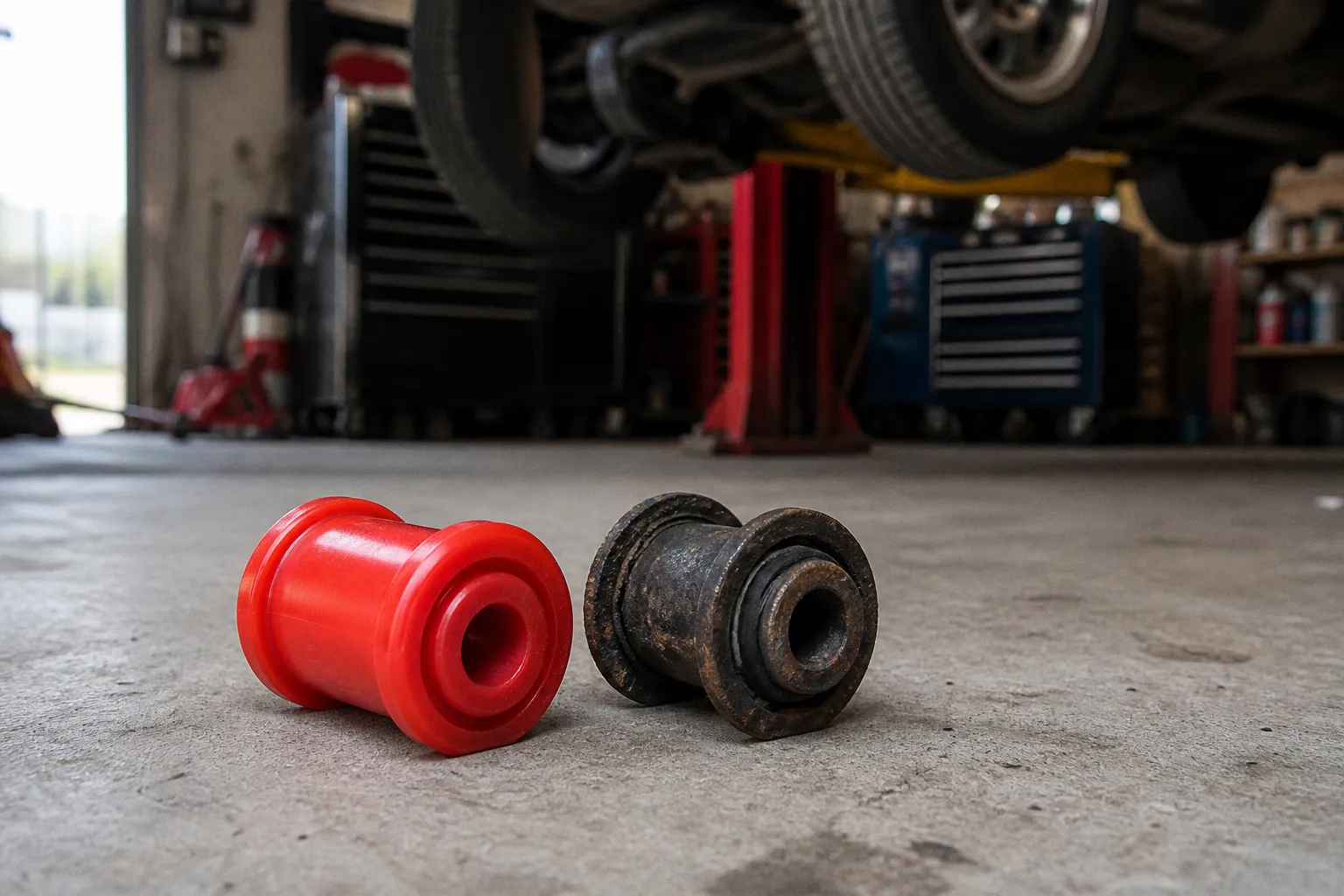
Polyurethane bushings: is the harsh ride worth it?
A suspension bushing rarely announces its failure with a dramatic snap. More often, the rubber has been shearing back and forth for years…
 Chassis & Brakes
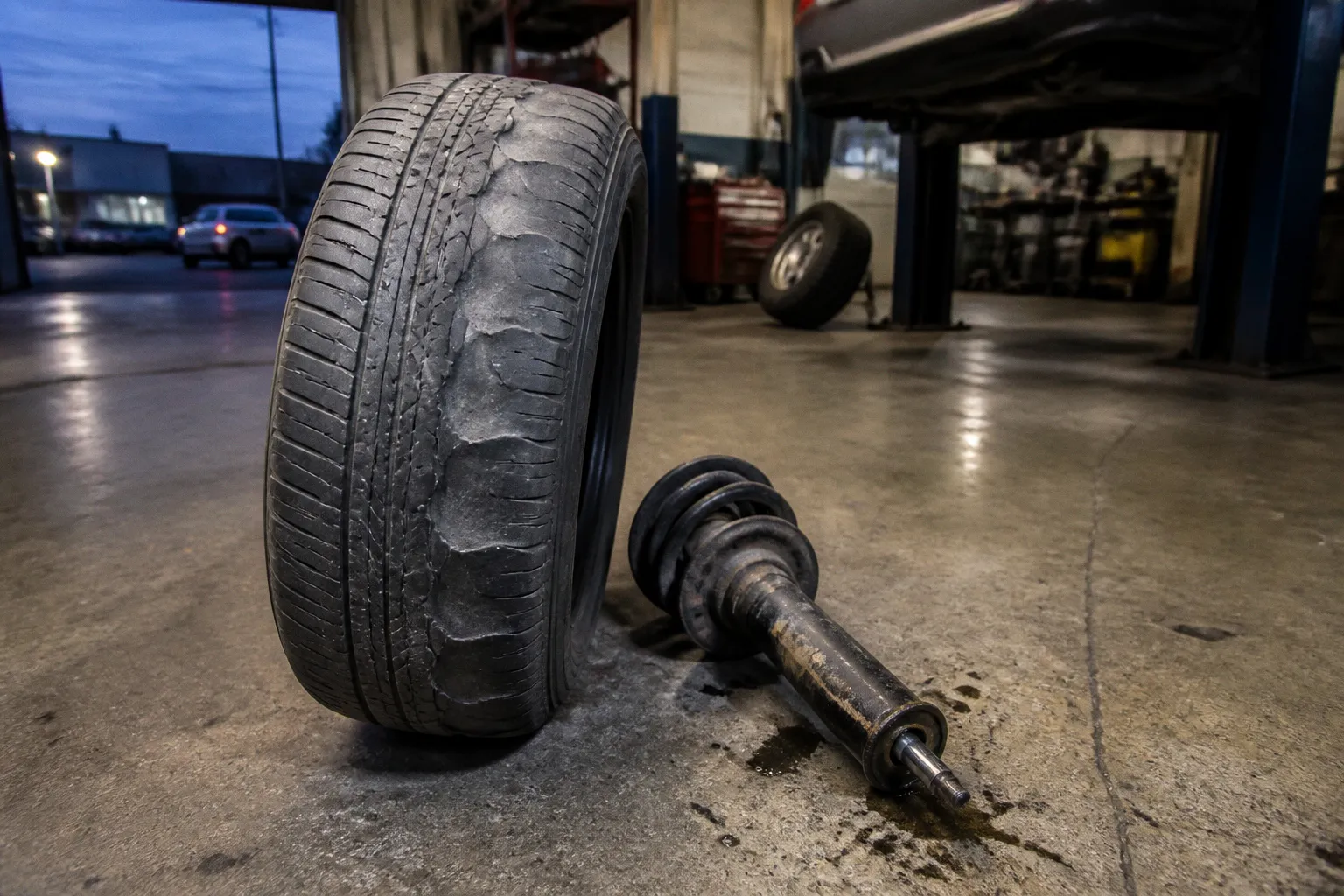
Tire cupping: why worn shocks cause uneven tread wear
A tire with cupping does not wear in a continuous band. It develops repeated scooped sections across the tread, often 3 to 4 inches apart…
 Chassis & Brakes
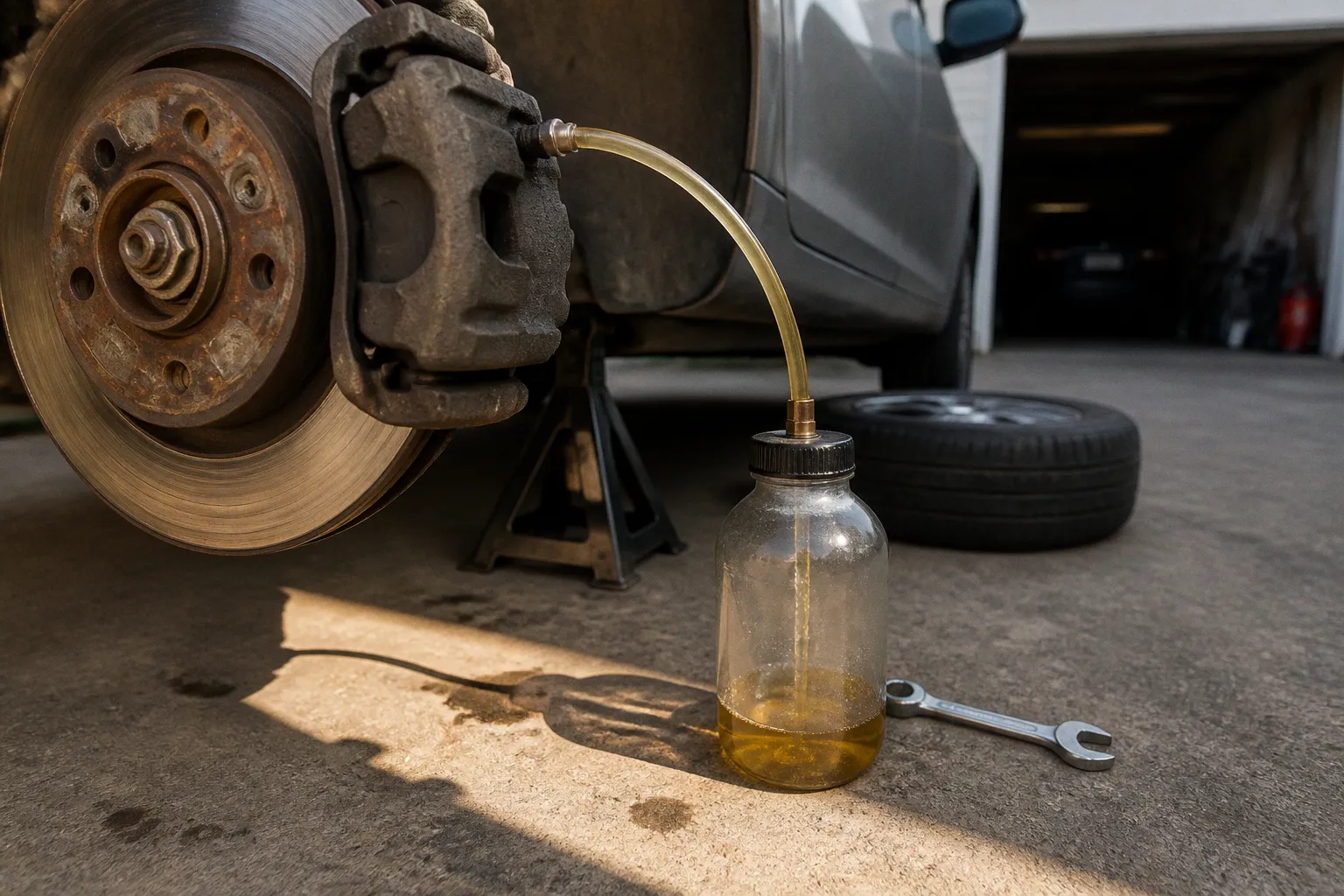
Pressure vs vacuum brake bleeding: which method is best?
A brake system’s hydraulic circuit operates on a single, unforgiving principle: brake fluid is effectively incompressible, while air is…
 Chassis & Brakes
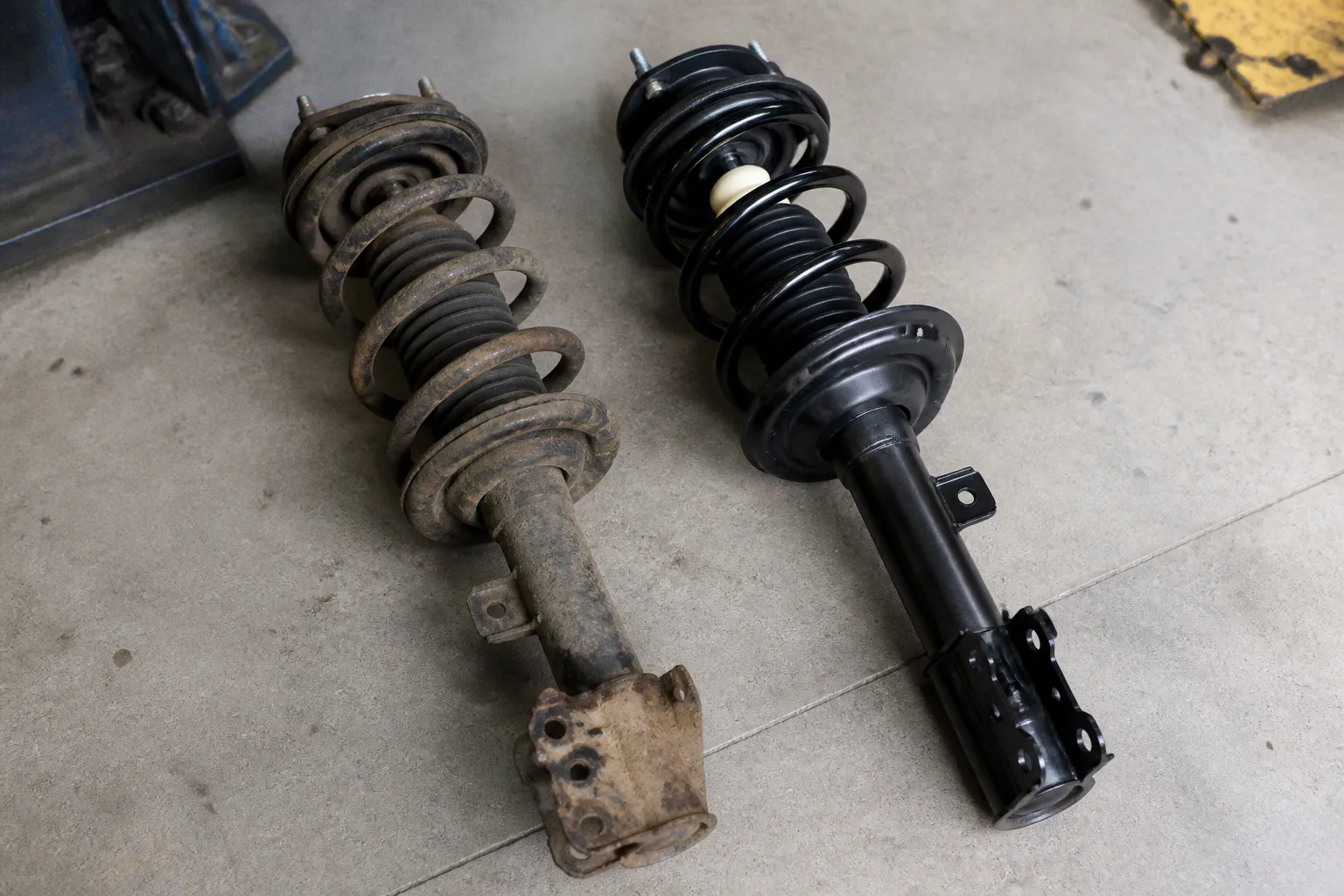
Loaded struts vs bare struts: is the extra cost worth it?
There's a particular kind of ride we all recognize eventually. The nose dives hard under braking, the tail hunkers down when you punch the…
 Chassis & Brakes
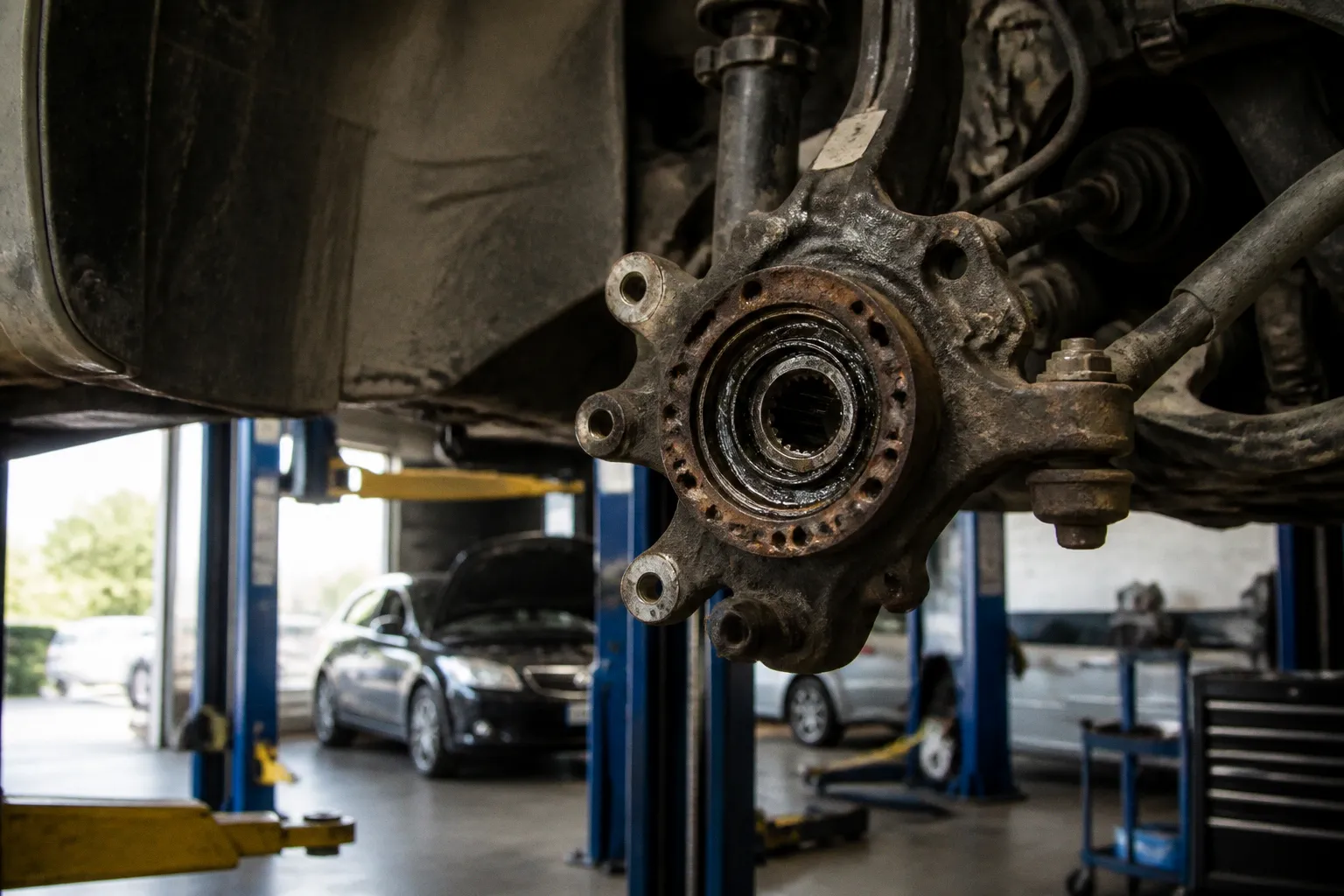
Why Wheel Bearing Noise Changes When You Turn
A low-pitched hum that rises with vehicle speed and becomes louder during a turn indicates a load-sensitive rotating component. The wheel…
 Chassis & Brakes
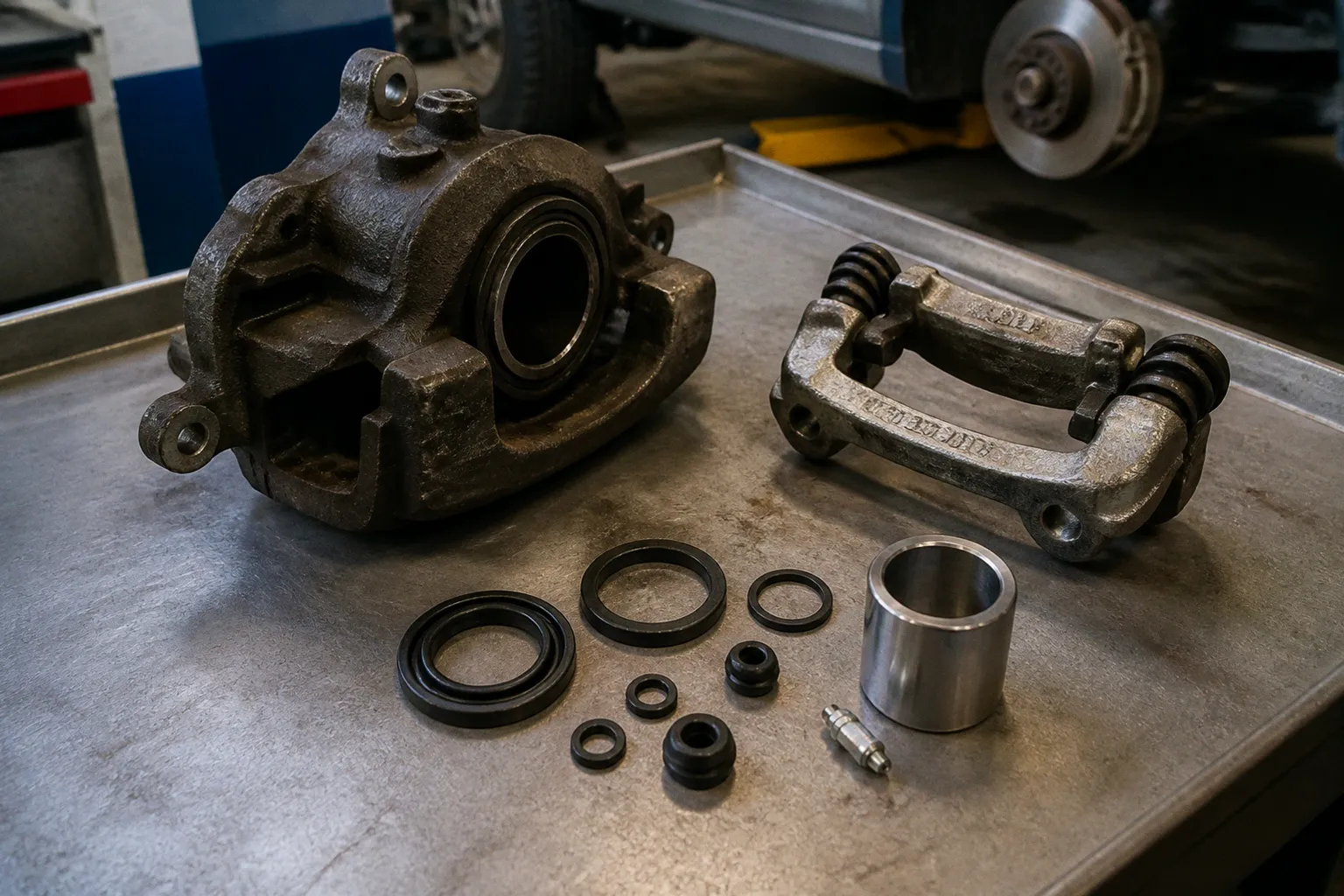
Brake Caliper Rebuild vs Replacement: When to Choose Each
A brake caliper is not automatically a rebuild candidate because a seal kit is cheap, and it is not automatically a replacement candidate…