Virginia Independent Mechanics Fight for Access to Proprietary Vehicle Diagnostic Data
According to NBC 5 reporting cited by The Cool Down, Virginia independent repair operators have testified in support of a federal right-to-repair framework that would compel automakers to release the…
Aldous Moorland·updated August 29, 2026
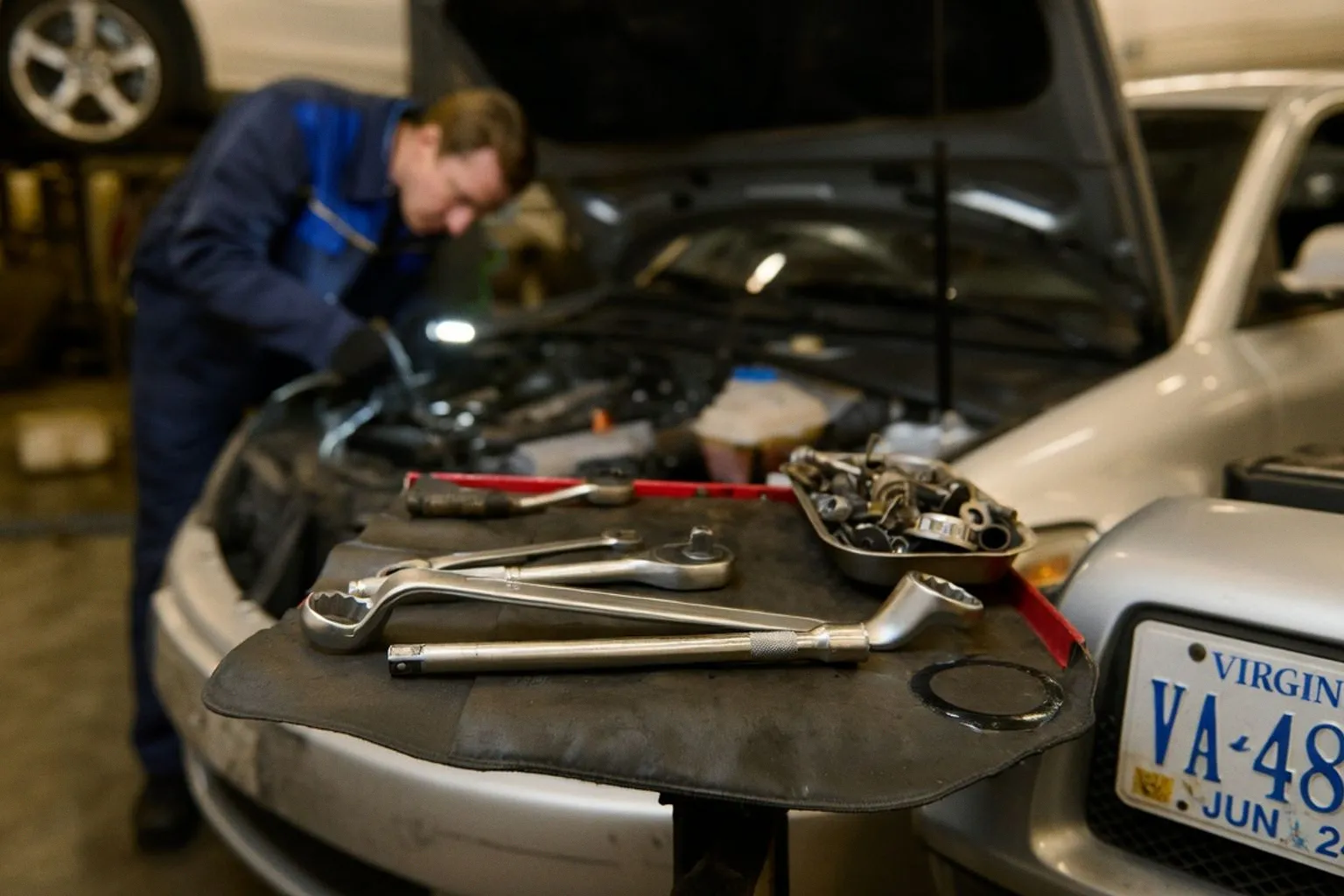
According to NBC 5 reporting cited by The Cool Down, Virginia independent repair operators have testified in support of a federal right-to-repair framework that would compel automakers to release the same diagnostic data, software hooks, and service tools granted to authorized dealerships. The core complaint is not skill — it is access. When factory repair information is restricted, independent shops lose the ability to complete module programming, key registration, ADAS calibration, and post-collision network configuration, regardless of technician training or equipment investment.
The data gap, quantified
Per industry data cited by NBC 5, more than 8 in 10 surveyed independent facilities route at least one vehicle per month to a franchised dealer because required service information cannot be obtained through aftermarket channels. A 2024 Auto Care Association study estimated the annual revenue loss to independent shops at $3.1 billion. Robb Evans of Piedmont Tire and Auto framed the constraint operationally: technicians do not refuse these jobs; the factory withholds the technical path. John Filippone, also of Piedmont Tire and Auto, described a programming lockout that pushed a customer's bill $1,200 higher through a dealer handoff for a procedure the shop was equipped to perform.
What the legislation changes
The original federal REPAIR Act sought broad access to vehicle data, software, and repair information. Automaker opposition cited cybersecurity, privacy, and safety concerns. A narrower successor, the Motor Vehicle Modernization Act, has cleared a House committee but not a full House vote. The current draft would codify existing industry right-to-repair commitments into federal statute and grant the Federal Trade Commission enforcement authority over required information, tools, and diagnostic code sharing. The Alliance for Automotive Innovation countered that repair instructions, tools, and diagnostic codes are already available to both dealers and independent repairers, while noting that independents perform over 75% of post-warranty service work.
Verification baseline before a fault triggers a dealer handoff
If the import vehicle presents a module programming, immobilizer, or ADAS calibration requirement, the following parameters are verified first. OBD-II readiness monitors: all set to complete, zero pending DTCs. Resting battery voltage: 12.4–12.7 V. CAN bus integrity: confirmed via scan tool, no U-codes logged. OEM-compatible tool coverage: programming, key registration, and module configuration tasks must be listed as supported. If any of these conditions cannot be satisfied through aftermarket tooling, the procedure is a dealer-only event under current data access conditions. Resolution requires aftermarket tool parity, mandated OEM data release, or a contracted dealer programming session.