How to Verify Your Tesla for Safety Recalls and Software Updates
According to Not a Tesla App, the majority of Tesla recalls resolve via over-the-air software push rather than physical rework, yet each remains anchored to either a documented safety risk or a…
Aldous Moorland·updated August 15, 2026
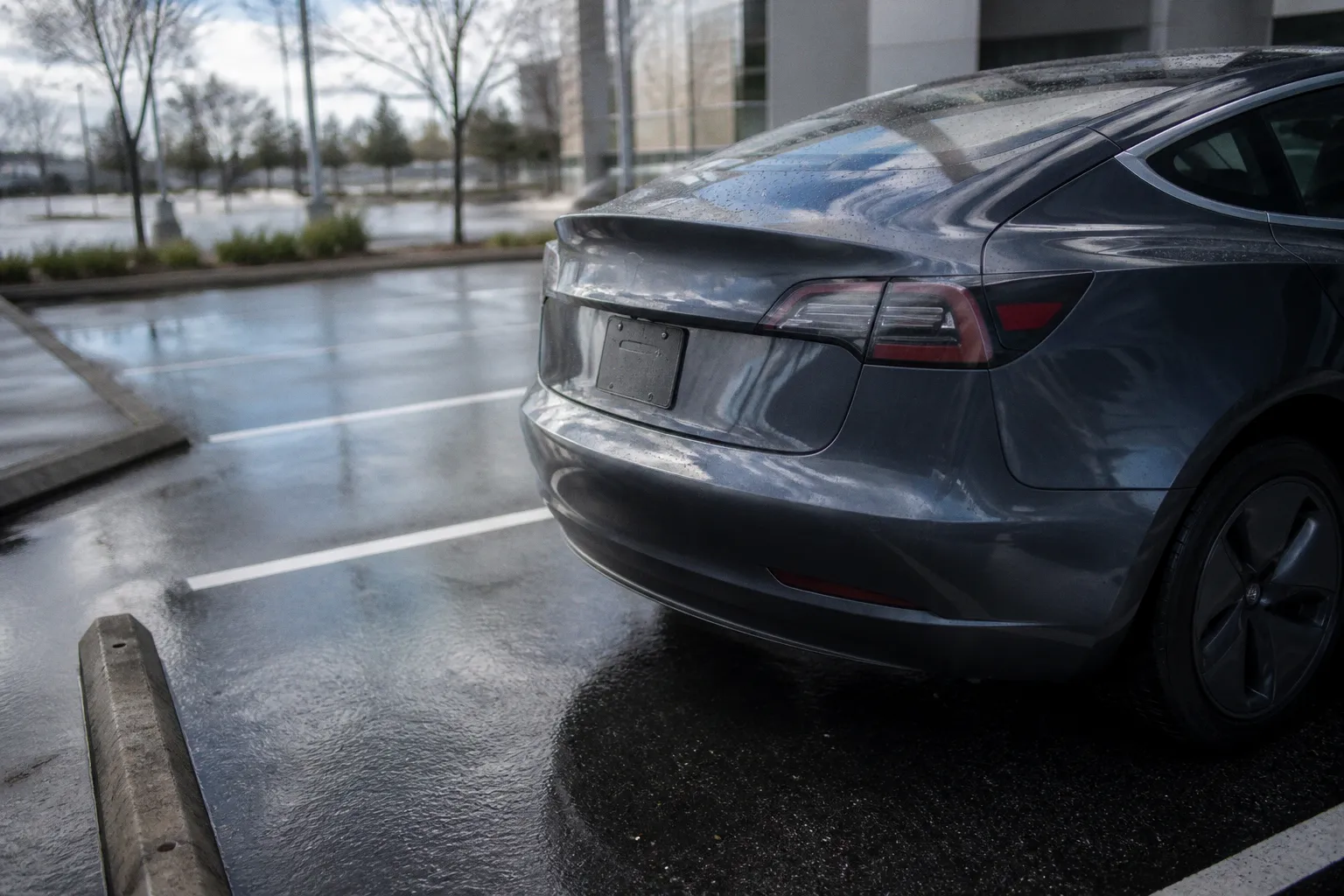
According to Not a Tesla App, the majority of Tesla recalls resolve via over-the-air software push rather than physical rework, yet each remains anchored to either a documented safety risk or a federal standard deviation traceable through the 17-character VIN. For import owners, the recall check is not optional — it functions as a pre-operational verification gate, equivalent in discipline to confirming coolant level or scan-tool readiness before ignition.
Recall Logic
A recall is logged when the manufacturer or the National Highway Traffic Safety Administration identifies a safety defect or a federal standards deviation. Software-side corrections dominate Tesla's recall ledger. One documented fault involved rearview camera latency of several seconds following a shift into reverse — addressed in a subsequent software release without hardware intervention.
In 2024, defective seat-occupancy sensors were bypassed via cabin-camera logic rather than replaced. The substitution eliminated the physical recall entirely. When the fix carries no user-visible parameter change, release notes remain silent. Only user-facing adjustments appear in the change log.
VIN Verification Procedure
The 17-character VIN is the primary input. Location: bottom-left corner of the windshield, driver-side exterior. Alternative retrieval: Tesla app, vehicle touchscreen, scroll to the bottom of the menu, press and hold the VIN field until the clipboard copy executes.
Two lookup endpoints:
- NHTSA recall lookup. State selected. License plate or full 17-character VIN entered. Open campaigns returned with remedy classification.
- Tesla VIN Recall tool. VIN entered directly. Vehicle-specific campaigns returned.
If a campaign requires physical service, the appointment is scheduled through the Tesla app — service center or mobile dispatch. If no campaign is returned, the baseline is confirmed: zero open recalls, zero pending remedies, no deviation from federal safety parameters.
What to Monitor
Recall campaigns originate from Tesla's internal fault-identification process or NHTSA escalation. Remedy classification falls into three categories: software update, component replacement, or vehicle repurchase. Software remedies propagate without owner action. Component replacements require scheduling — service center or mobile dispatch. Repurchases remain rare.
Tesla's mobile service handles select physical fixes on-site. The app-managed appointment system routes owners to either pathway based on the remedy classification attached to the specific VIN record.
If a recall fix is performed and the release notes omit the change, the NHTSA record remains the only authoritative confirmation. Both databases — NHTSA and Tesla's VIN tool — must be cross-checked before the baseline is accepted as met.