Hyundai Issues Recall for 421,000 Vehicles Due to Unintended Braking Glitch
According to a May 19 NHTSA safety recall report, the forward collision-avoidance assist system can trigger unprompted brake actuation across a Hyundai vehicle population exceeding 421,000 units built since 2024.
Aldous Moorland·updated August 19, 2026
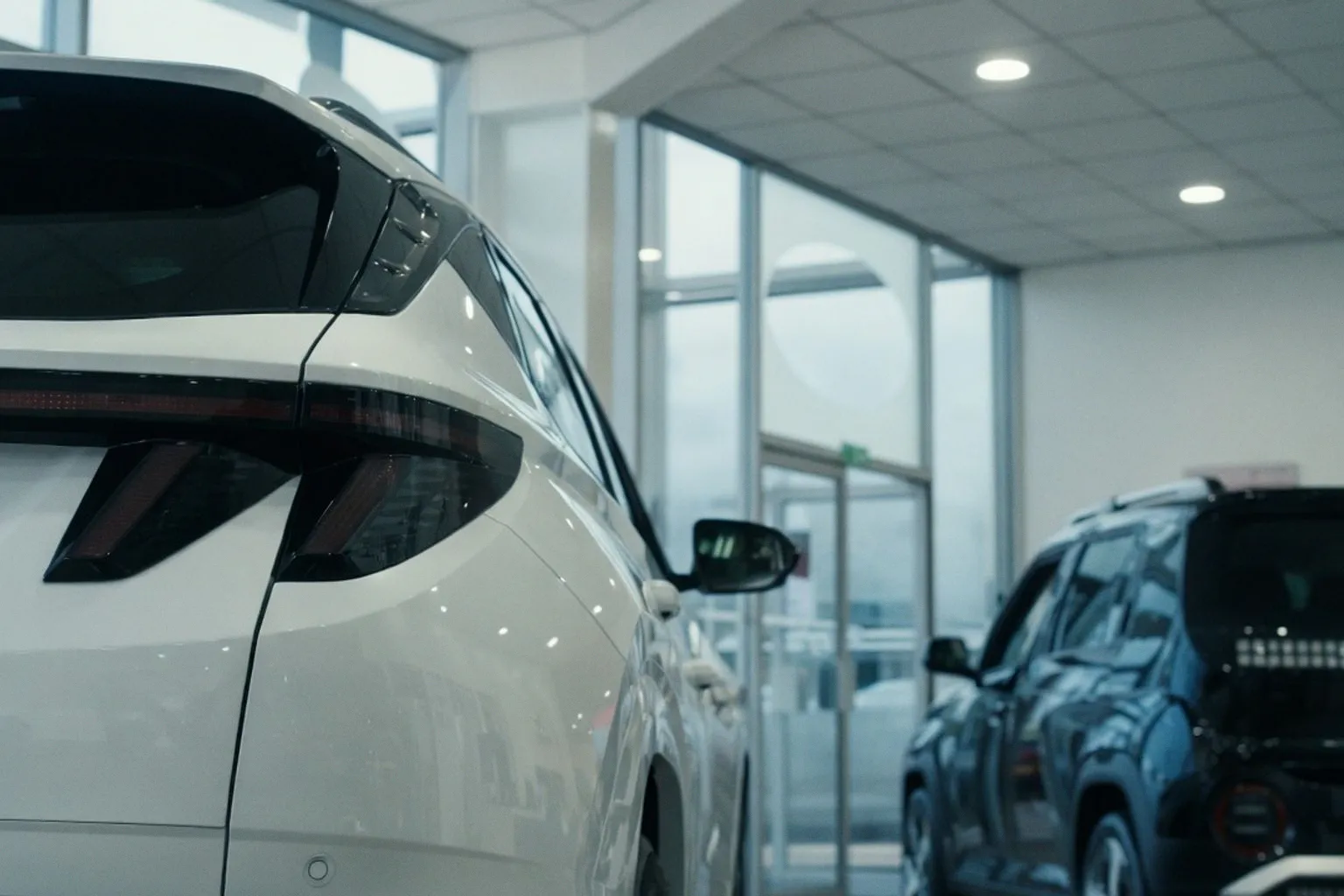
The firmware governing the front camera module inadvertently commands the system to engage when no obstacle exists in the vehicle's path. 376 field reports of unexpected braking were documented between October 2024 and April 2026 prior to the campaign launch.
Affected Models and Powertrains
The recall spans the following Hyundai nameplates:
- 2025–2026 Santa Cruz
- 2025–2026 Tucson
- 2025–2026 Tucson Hybrid
- 2025–2026 Tucson Plug-In Hybrid
- 2024–2026 Elantra Hybrid
- 2025 Ioniq 5
- 2026 Ioniq 9
Notification letters are scheduled for delivery to registered owners by July 17. VIN and license plate searches are available through the NHTSA recall database.
Diagnostic Logic and Verification
The fault is software-class. No mechanical wear component is implicated. The remedy specified in the campaign is a firmware update performed at a Hyundai dealership. Independent technicians receiving customer inquiries should apply the following gate logic:
- If a vehicle within the listed model years reports unexpected braking with no preceding obstacle, the VIN should be checked against the NHTSA recall database before any further diagnostic work proceeds.
- Then, if the VIN is flagged, the customer should be directed to an authorized Hyundai service center for the campaign software update.
- Then, if the customer declines dealer service, document the recall status on the repair order and recommend the campaign update be completed before any forward collision-avoidance diagnostic work continues.
The campaign remedy consists of a software update to the front camera control module. Verification is performed through the dealer's diagnostic equipment during the service visit.
Broader Campaign Context
NHTSA issued 19 recall actions across Ford, Hyundai, Toyota, Tesla, Honda, and General Motors within the same reporting period. The Hyundai portion represents one of the larger software-class actions of the cycle. Defects originating in front-camera firmware — particularly those causing unintended actuation of collision-avoidance subsystems — reflect the current architecture of perception-based driver-assist systems across the import segment.
Owners within the affected VIN range should initiate the recall process through the NHTSA portal or contact a Hyundai dealer directly.