Hyundai Expands Connected Car Fleet to One Million Units by 2027
As reported by NewsBytes, Hyundai Motor India has set a target of one million connected vehicles on Indian roads by 2027, with its Bluelink platform already deployed across more than 800,000 units.
Aldous Moorland·updated August 11, 2026
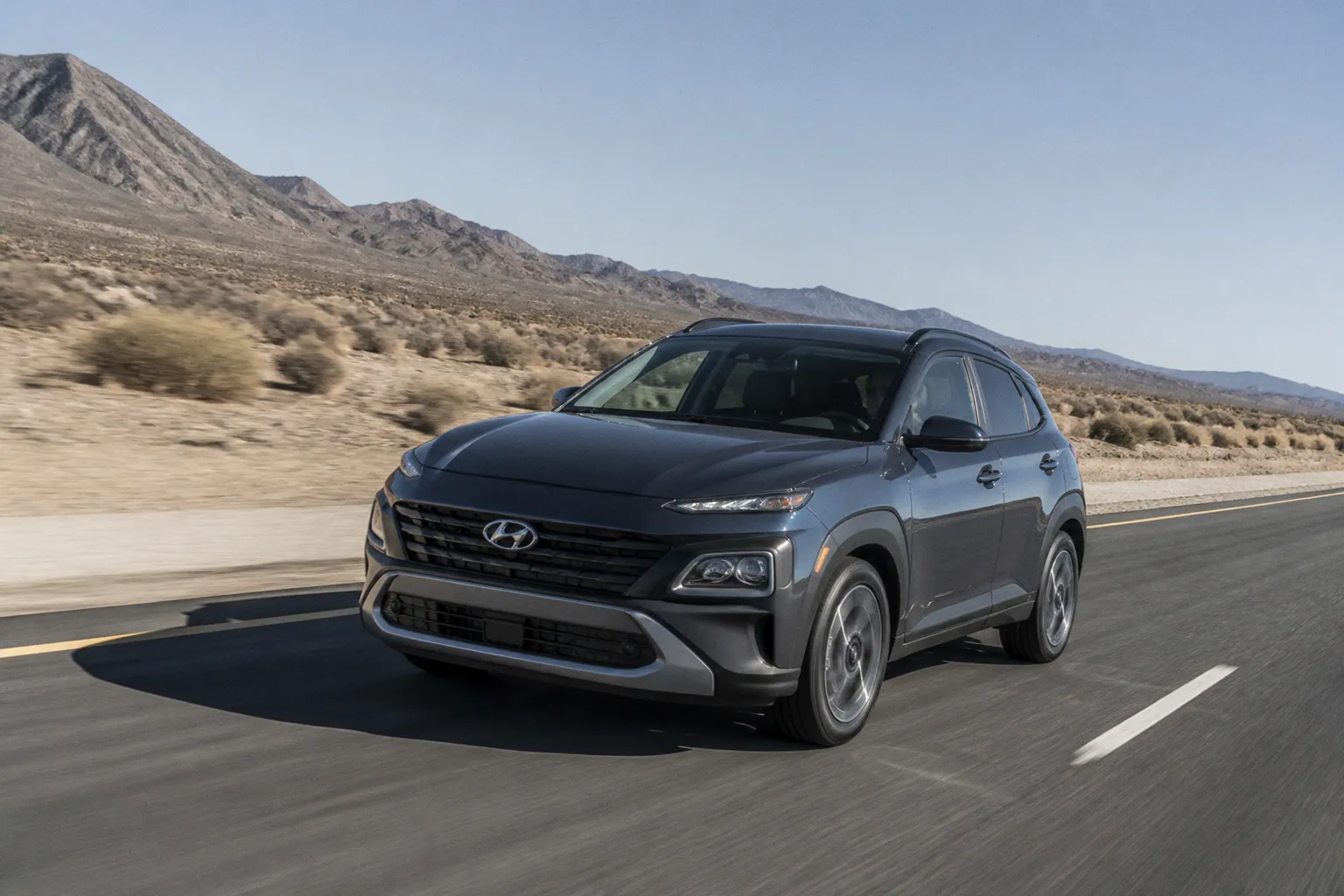
The expansion signals a definitive shift toward software-defined vehicles, where over-the-air updates and telematics-driven health diagnostics are integrated into the standard service workflow. For technicians working on modern Hyundai imports, the diagnostic procedure no longer terminates at the OBD-II port. It extends into the cellular network stack.
Bluelink as a Diagnostic Layer
The Bluelink platform, introduced with the Venue in 2019, bundles over 70 features spanning remote vehicle monitoring, health diagnostics, location tracking, and trip history logging. According to the source, the system has supported more than 500,000 motorists through SOS and roadside assistance, and roughly 15,000 crash-notification interventions.
For the service bay, this constitutes a new data category. Telematics modules continuously transmit vehicle health parameters — battery state, coolant temperature, DTC counts — to a backend server. When a customer reports an intermittent fault that fails to reproduce on the lift, the technician should request a Bluelink health report before the wiring harness is touched. Parameters stored server-side frequently capture the fault window that the shop cannot replicate.
OTA and the Post-Sale Repair Equation
Hyundai's published roadmap includes OTA map updates rolled out with the i20 in 2020, next-generation AVNT (Audio Video Navigation Telematics) introduced in 2022, and the Connected Car Navigation Cockpit (ccNC) scheduled for 2025. Each software revision alters the vehicle's network behavior. Modules previously accessible through standard diagnostic protocols may shift to authenticated sessions requiring manufacturer-level credentials.
Before any firmware-related repair procedure is initiated, the following baseline checks are required:
- Current software version verified against the manufacturer's published revision
- OTA campaign status confirmed; manual flashing of a version already deployed via OTA can corrupt the head unit
- Telematics control unit IMEI and network registration status documented — a unit that fails to re-register post-repair accumulates silent U-code faults
The upcoming mass-market EV, per the source, will ship with next-generation connected tech standard across all variants. Base trim no longer exempts the vehicle from network-level verification.
Penetration Shift and Service Volume
Hyundai's stated objective moves connected-vehicle penetration from 4% in 2019 to 20% by 2026 within its Indian portfolio. At a fleet scale approaching one million units, the connected-car service load becomes structural rather than incidental. Shops handling Hyundai imports should anticipate increased frequency of telematics-related DTCs — primarily U-codes and network communication faults — alongside rising demand for OTA-aware diagnostic tools capable of reading authenticated modules. Recalibration procedures following head unit or telematics control unit replacement must be treated as standard rather than optional.
The connected vehicle is no longer a premium-tier configuration. It is the baseline against which the diagnostic procedure must be calibrated.