2027 Hyundai Tucson: A Deep Dive Into New Design and Advanced Diagnostic Requirements
The 2027 Hyundai Tucson has been formally unveiled, per chshyd.in coverage, with revised exterior surfacing, larger cabin displays, and an expanded electrified powertrain range.
Aldous Moorland·updated August 20, 2026
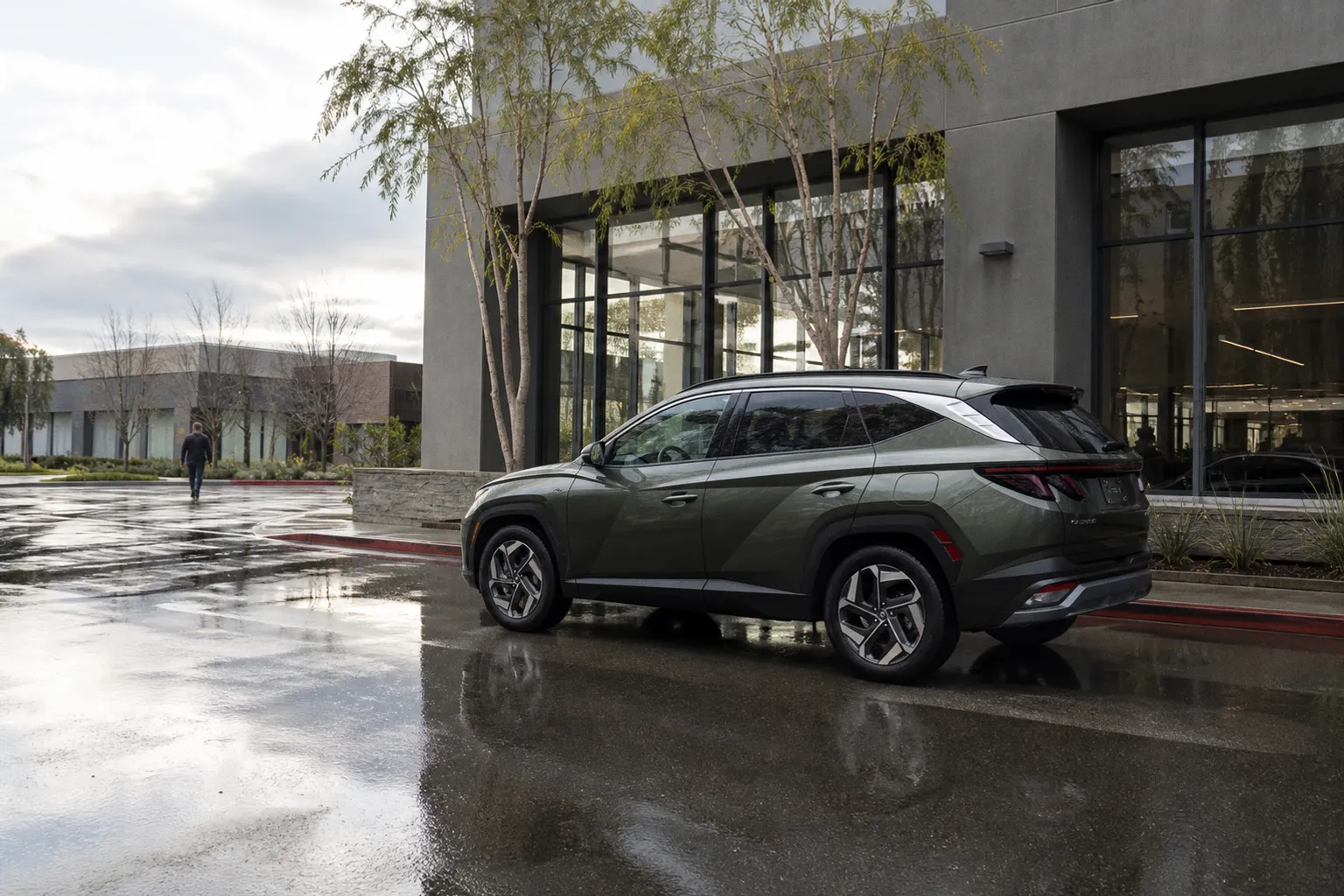
According to the report, the SUV introduces updated infotainment software, OTA update capability, and a broader driver-assistance sensor array across higher variants. The platform shift establishes a new diagnostic baseline: additional camera modules, increased CAN bus load, and powertrain configurations that require hybrid-specific scan-tool routines before routine service can proceed.
Electronics and Gateway Architecture
Larger displays run updated infotainment software, with wireless Android Auto and Apple CarPlay retained and ambient lighting added on upper trims per the source. Wireless charging pads, premium audio amplification, and connected-car telematics modules increase load on the body control network. Per chshyd.in, OTA update capability means firmware versions may drift mid-cycle; any flash procedure requires VIN-specific module identification before coding is attempted. Static voltage checks at the head unit must be supplemented by data-bus monitoring through the central gateway module, and module-level software revisions should be logged at every service interval to detect unintended version changes.
ADAS Sensor Arrays and Recalibration
The 2027 Tucson is reported to introduce an expanded driver-assistance package: adaptive cruise control, lane-keeping assistance, autonomous emergency braking, blind-spot monitoring, a 360-degree camera, and front and rear parking sensors. Per chshyd.in, Hyundai is expected to refine the intervention logic to provide smoother and more predictable assistance during everyday driving. Recalibration protocols following windscreen replacement, bumper removal, or suspension component change must be verified against the exact sensor variant installed; radar alignment values must be confirmed within manufacturer tolerance before the vehicle is returned. Dynamic calibration of the 360-degree system requires a level surface with marked reference points; any deviation logged at delivery should be treated as a calibration fault rather than a hardware failure.
Powertrain Diagnostics and Baseline Checks
The new Tucson is expected to be offered in petrol, hybrid, and plug-in hybrid configurations depending on market, according to chshyd.in. Hybrid and PHEV variants add high-voltage battery state-of-health monitoring, inverter diagnostics, and auxiliary coolant loop temperature baselines to the service menu. Per the source, hybrid technology is positioned to improve fuel efficiency through electric assistance during low-speed operation, while plug-in variants allow limited electric-only driving for shorter trips. Final engine specifications, power figures, and fuel economy data remain region-dependent and are not confirmed in available coverage. Early 2027 service work should reference market-specific documentation, with high-voltage isolation procedures verified and scan-tool compatibility with the new gateway protocol confirmed before diagnostics are initiated.
Verification Baseline at First Service
According to chshyd.in, market-specific engine and equipment details may vary, and pricing will be set by region. Technicians should treat any early-build 2027 Tucson with confirmed hybrid or ADAS content as requiring factory diagnostic tooling rather than generic OBD-II readers. Battery management system firmware, radar module part numbers, and gateway software versions should all be recorded at delivery to establish a reference point. Any deviation from those recorded values during subsequent service indicates an OTA update or undocumented module replacement, both of which require documentation before further work proceeds.