Abrites Unveils Advanced Diagnostic and Key Programming Tools for Modern Imports
The core release is built around AVDI paired with the Abrites RH850/V850 Programmer.
Aldous Moorland·updated September 13, 2026
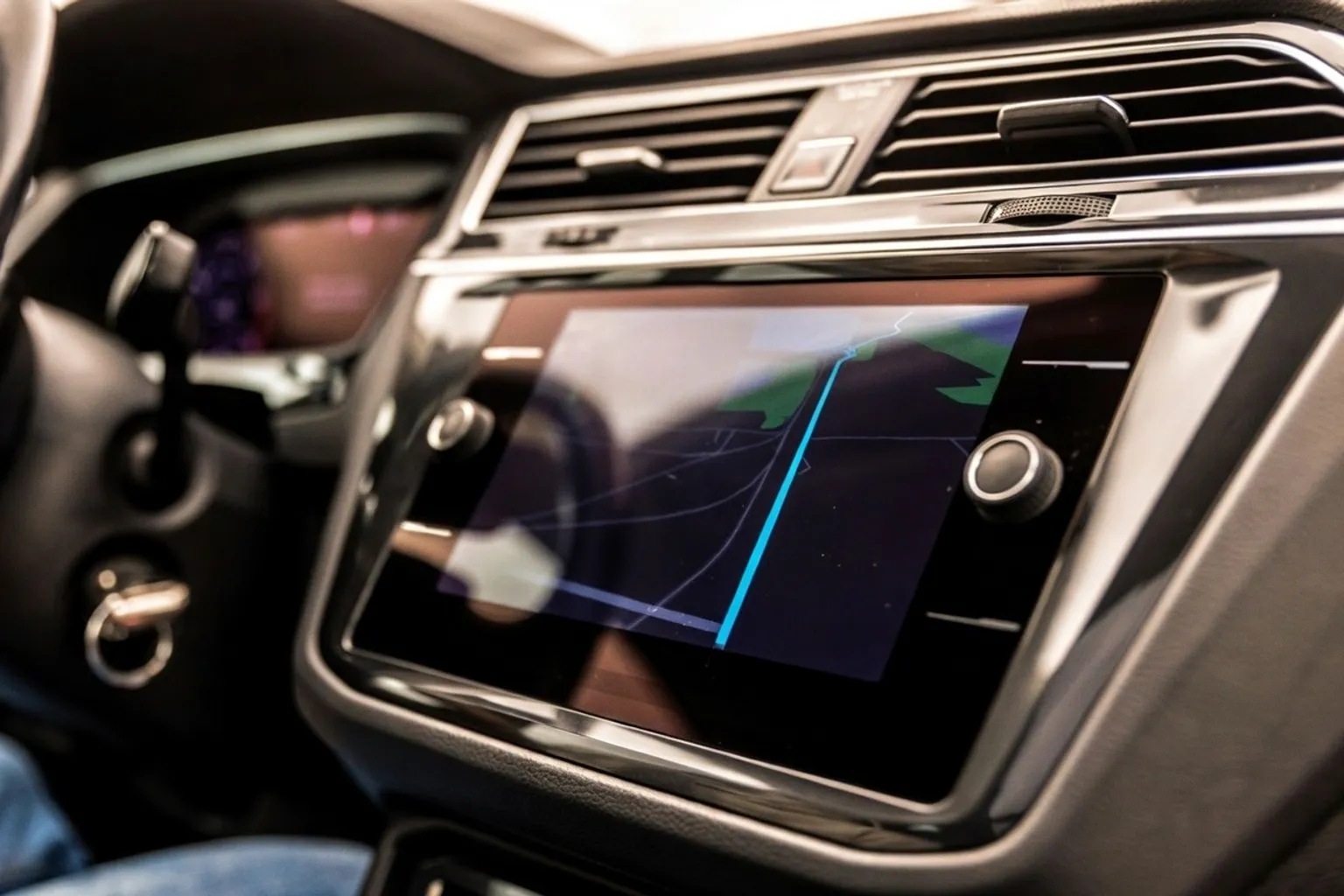
Abrites rolled out its latest diagnostic and key programming toolkit at Automechanika Frankfurt 2026, with live vehicle demonstrations running throughout the show on Hall 9.0, Stand B48. For independent workshops servicing European and Asian imports, the update set targets the exact platforms that have stalled scan tools for the past several model years: VAG Immo 5C/5D on MQB and MEB, Mercedes-Benz FBS4, modern Toyota and Lexus immobiliser architectures, plus the latest Renault, Dacia and Stellantis modules. The headline takeaway is straightforward: more coverage of newer immobiliser data, less need to route work to dealerships or send ECUs off-site.
Where the work is moving
Together, the pair reads immobiliser data directly from modern VAG modules, which enables All Keys Lost procedures, instrument cluster work and module adaptation on supported Volkswagen, Audi, Škoda, SEAT and CUPRA vehicles. In practice, this means a technician can pull the security data, generate a working key, and adapt the cluster in-house rather than splitting the job across two locations.
Mercedes-Benz coverage is centered on FBS4. Abrites is demonstrating diagnostics, coding, component personalisation and adaptation, including donor ECU and VGS transmission control module work. For workshops already handling newer Mercedes electronics, the FBS4 path is the one that previously forced dealer-level routing.
On Toyota and Lexus, the update covers modern security systems: All Keys Lost and smart key programming, plus ID-Code Box reset and adaptation. The design intent, per Abrites, is to reduce disassembly during key programming and module replacement, which directly cuts bench time.
For Renault and Dacia, the suite adds key programming and All Keys Lost across the latest platforms, including Abrites-manufactured keyless key cards. Stellantis coverage extends to diagnostics, Proxi Alignment, BSI procedures, donor ECU and TCU adaptation, with supported Aisin EAT8 transmission control units in the list.
Ecosystem and context
Beyond AVDI itself, two adjacent products are on display. DiagNodes, a browser-based system, allows supported professional procedures to run remotely. CARMON, positioned as a next-generation fleet management tool, targets downtime reduction. A humanoid demonstration unit, named Abrito, is appearing at the stand as a promotional exhibit.
The Frankfurt show floor also produced competing signals worth tracking. According to WebWire coverage, Bosch unveiled a new generation of ESI[tronic] diagnostic software with an integrated AI assistant for live fault code analysis; the system was reported as the winner of the 2026 Automechanika Innovation Award in the AI Solutions & Digitalisation category. Separately, PHINIA announced updates to its Delphi aftermarket portfolio, adding specialised sensor lines, Professional+ brake components, and digital battery state-of-health diagnostics, with multi-brand catalog integration and remote diagnostic interfacing.
What to verify before booking the tool
Three baseline checks before adopting the new Abrites procedures on a customer vehicle:
- Confirm the exact VAG platform (MQB or MEB) and immobiliser generation (Immo 5C vs 5D) against the VIN; coverage differs between the two.
- For FBS4 Mercedes work, verify whether the donor ECU and VGS module are supported in the current release; unsupported variants still require dealership-level routing.
- On Toyota and Lexus, confirm the ID-Code Box part number before quoting a no-disassembly key job; some variants still require physical access.
The practical filter is simple: if the vehicle in the bay is a 2022-or-newer import on one of the listed platforms, the new procedures are worth a test cycle on a non-customer car before the first paid job. If it predates that window, existing AVDI workflows remain sufficient.