AutoTuner Simplifies BMW MS42 Tuning with New OBD Read and Write Support
Pulling an MS42 from an E46 or E39 used to mean dropping the intake manifold, wrestling with vacuum lines, and praying the ECU connectors didn't crack on the way out.
Judson Grier·updated August 26, 2026
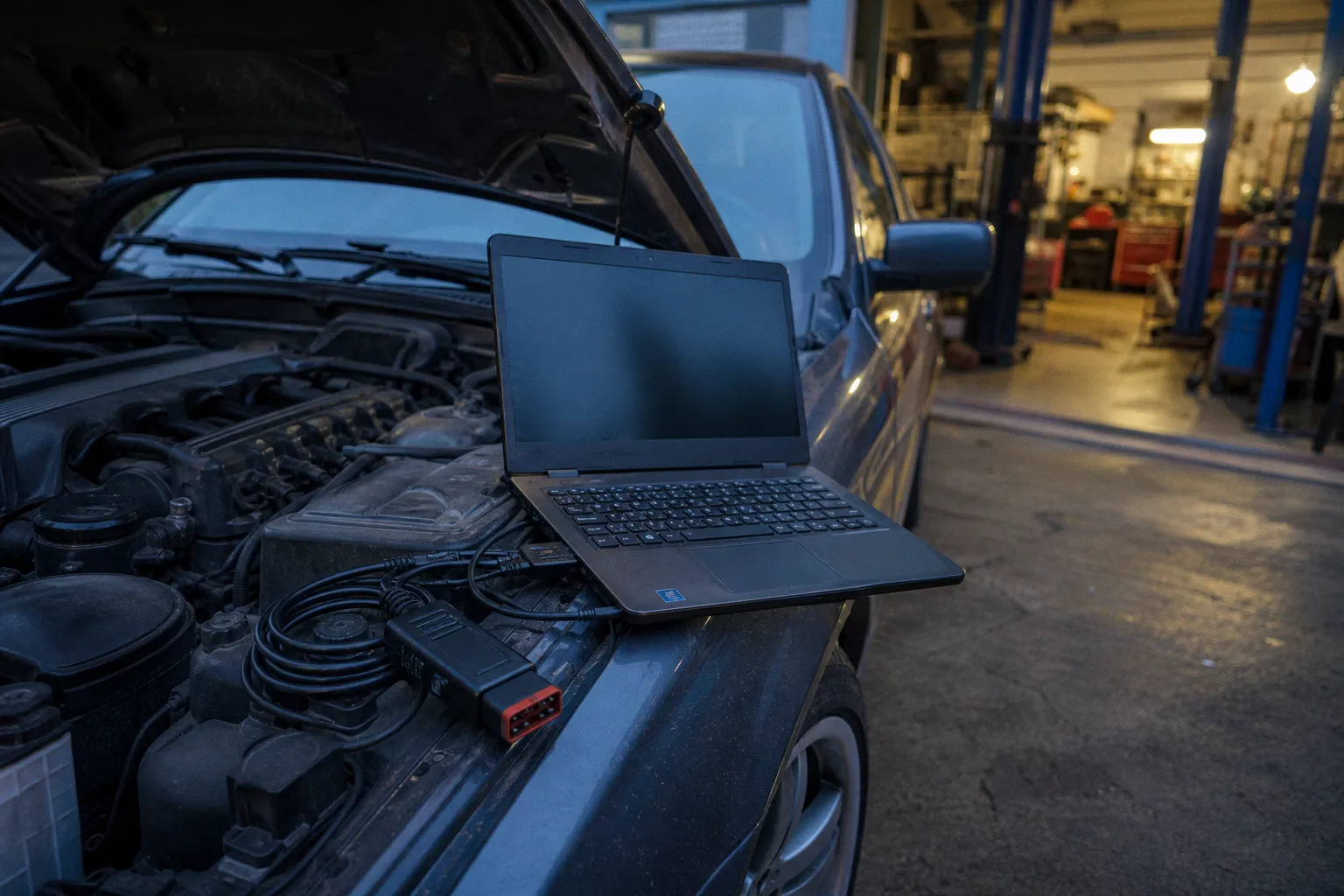
According to AutoTuner USA, that whole dance just got cut down to plugging a cable into the diagnostic port and clicking "Normal Read."
For anyone still turning wrenches on late-90s BMW M52TU straight-sixes, this is the kind of quiet update that changes a Tuesday afternoon. AutoTuner has rolled out 100% OBD read and write support for the Siemens MS42 ECU, the Double VANOS management unit living under the hood of everything from a 1998 328i to a Z3 coupe. The release is aimed squarely at the Yountimer crowd — the enthusiasts and independent shops who've kept these cars breathing well past their warranty expiration.
What changed at the bench
The big mechanical difference is what you no longer have to do. A traditional MS42 bench flash asks you to remove the ECU, crack the case or solder to the PCB, and connect directly to the chip. It works, but it's slow, and it's the kind of place where a dropped screw or a lifted solder pad turns a paid job into a parts hunt.
OBD Normal Read sidesteps all of it. You seat the AutoTuner tool into the diagnostic port, pull a real hardware read of the flash and EEPROM, write your modified file, and you're done. For a tuner running a map for a mild cam, an intake manifold swap, or just chasing a chronic cold-start stumble, that collapses hours of bench setup into minutes of dashboard time. AutoTuner lists coverage across the 3-series from 1998 on, the 5-series from 1995, the 7-series from 1994, and Z3 models from 1995 and 1998 — covering the 20i, 23i, and 28i engines in the family.
What to check before you click "write"
If you're new to flashing these ECUs, the M52TU has a few habits worth respecting. The Double VANOS actuators rattle before they fail, and a tune alone won't mask the vacuum leaks those worn seals introduce. Pull the codes, smoke-test the intake, and listen for the rattle before you assume software is the fix. A clean mechanical baseline is what makes any OBD flash hold its tune longer than a season.
Also worth noting: the MS42 release lands alongside a broader expansion of AutoTuner's in-shop capabilities. The company has added unlocks for BMW's modern DME8 platforms — S58, B58, B46, B48, N63, S63, and N74 engines covering the M2, M3, M4, X3 M, X4 M, and the Toyota Supra — so shops running the tool can handle late-model BMWs and the old straight-sixes from the same bench. As Steve Dinan of CarBahn put it, the platform was picked "because of its ease of use, quality and security," and the new unlocks let dealers skip the overseas shipping and bench fees on many jobs.
For the M52TU specifically, the takeaway is short: if you're still pricing MS42 work as a full ECU pull in 2026, you're leaving time and labor on the table. Update the tool, confirm the VIN and ECU part number in the AutoTuner database, and start quoting those jobs as plug-and-flash instead of bench jobs. The hardware inside that OBD port is finally catching up to what the older cars have been waiting for.