Bosch Debuts AI Diagnostic Assistant to Streamline Complex Vehicle Repairs
According to MOT Testing's coverage of the unveiling, the new tool is built to help technicians move faster from a fault code or symptom to the right chunk of OEM repair information, without manually…
Judson Grier·updated September 18, 2026
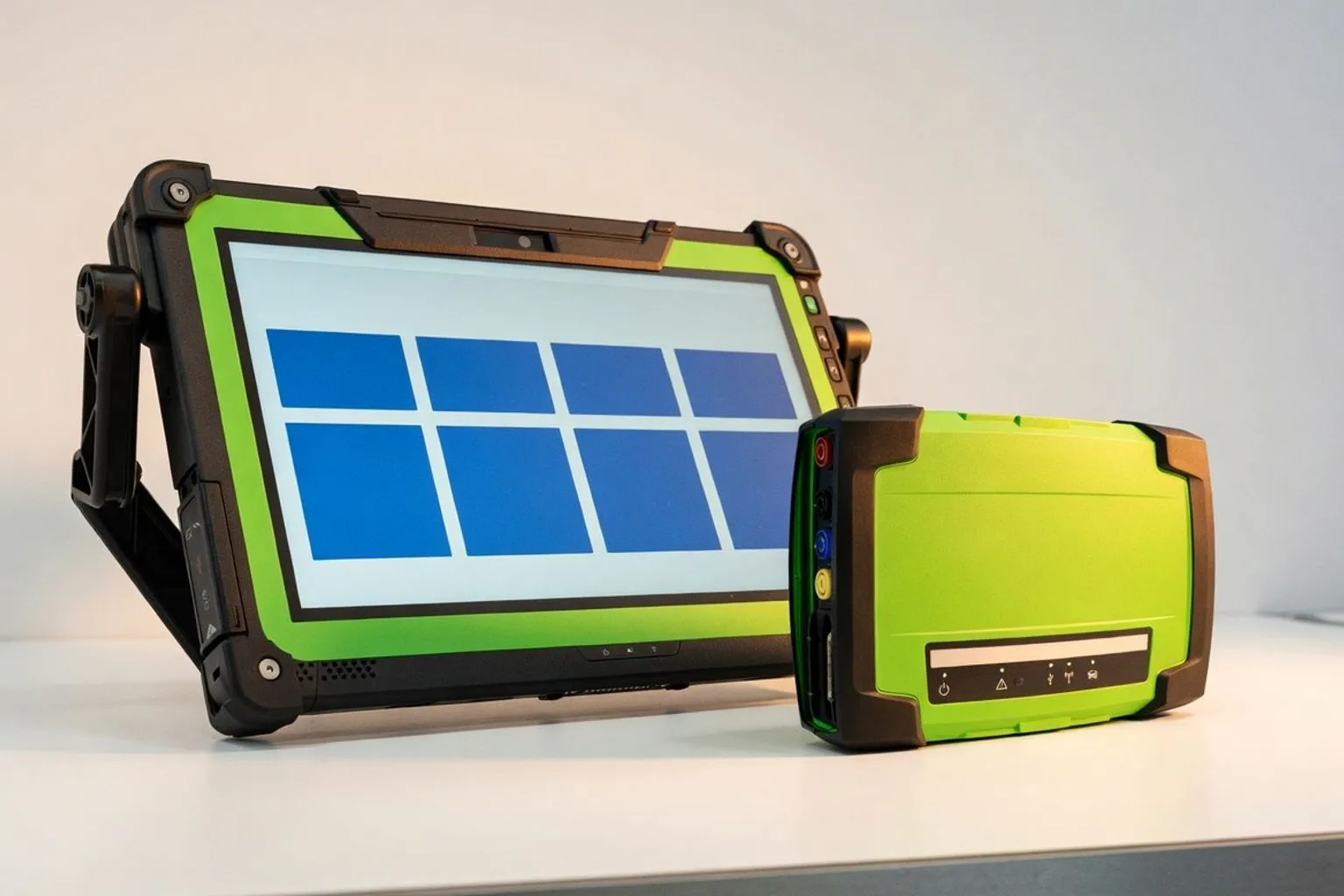
Bosch rolled out an AI-powered diagnostic assistant inside its ESI[tronic] software at Automechanika Frankfurt 2026, and the platform took home the Innovation Award in the AI Solutions & Digitalisation category for the trouble. According to MOT Testing's coverage of the unveiling, the new tool is built to help technicians move faster from a fault code or symptom to the right chunk of OEM repair information, without manually digging through stacks of technical documents. For independent shops staring down increasingly layered import electronics, that shift matters more than any spec sheet headline.
What it actually does at the bench
The way Bosch describes it, you type in a fault code or a short search term and the system sifts through the diagnostic data, repair instructions, and manufacturer information already sitting inside ESI[tronic]. Instead of dumping a generic AI answer on you, it pulls from automotive-specific repair material and points toward a likely solution, a technical document, or a next step worth investigating. If that first suggestion does not resolve the fault, you can keep asking follow-up questions, branch into alternate diagnostic paths, and request more detail. That interactive loop is where the tool earns its keep, especially on the weird faults where a stored trouble code does not tell you what is actually broken. Modern import platforms can throw a huge volume of diagnostic information at a scan tool, and most of it is noise; the AI is meant to filter that noise and direct your eyes toward the signal.
What it costs and when it lands
According to the same report, the assistant is expected to arrive with the ESI[tronic] 2026/4 software update toward the end of 2026. It will be available to workshops running the Advanced and Master packages, and Bosch says the AI function will be included within the existing software licence at no extra cost. That detail is worth pausing on for a second. A lot of shops already own the hardware and pay the annual subscription, so getting an AI layer bolted onto the package they are already running removes the usual procurement headache and the internal debate about whether a separate AI product is worth the line item. It also means the rollout will skew toward the independent garages that have been running Bosch tooling for years, rather than only the well-funded dealer groups.
What we should be watching
A few things to keep an eye on as the update gets closer. First, how the AI handles OEM paywalled data, since some manufacturer repair procedures are licensed content that cannot simply be re-summarized by a language model without a contractual path. Second, whether the suggestions stay grounded in confirmed repair procedures or start drifting toward pattern-matching guesses that look confident but send a technician chasing the wrong circuit. Third, and this is the long-term wear point: any tool that learns from your diagnostic history becomes part of your shop's institutional memory, so it pays to understand what data leaves your network once the assistant is live. Bosch has signaled that AI, connected services, and broader access to digital repair information will only grow more central to workshop productivity. For us at the bench, the practical question is not whether AI shows up in the scan tool, it already has, but whether it earns the screen real estate by shortening the path between a complaint and a confirmed fix.