Essential Battery Health Checks Before Buying a Used Electric Vehicle
According to Scripps News, Consumer Reports is reminding used-EV shoppers that the battery is the car — get that wrong and the bargain sours fast.
Judson Grier·updated September 16, 2026
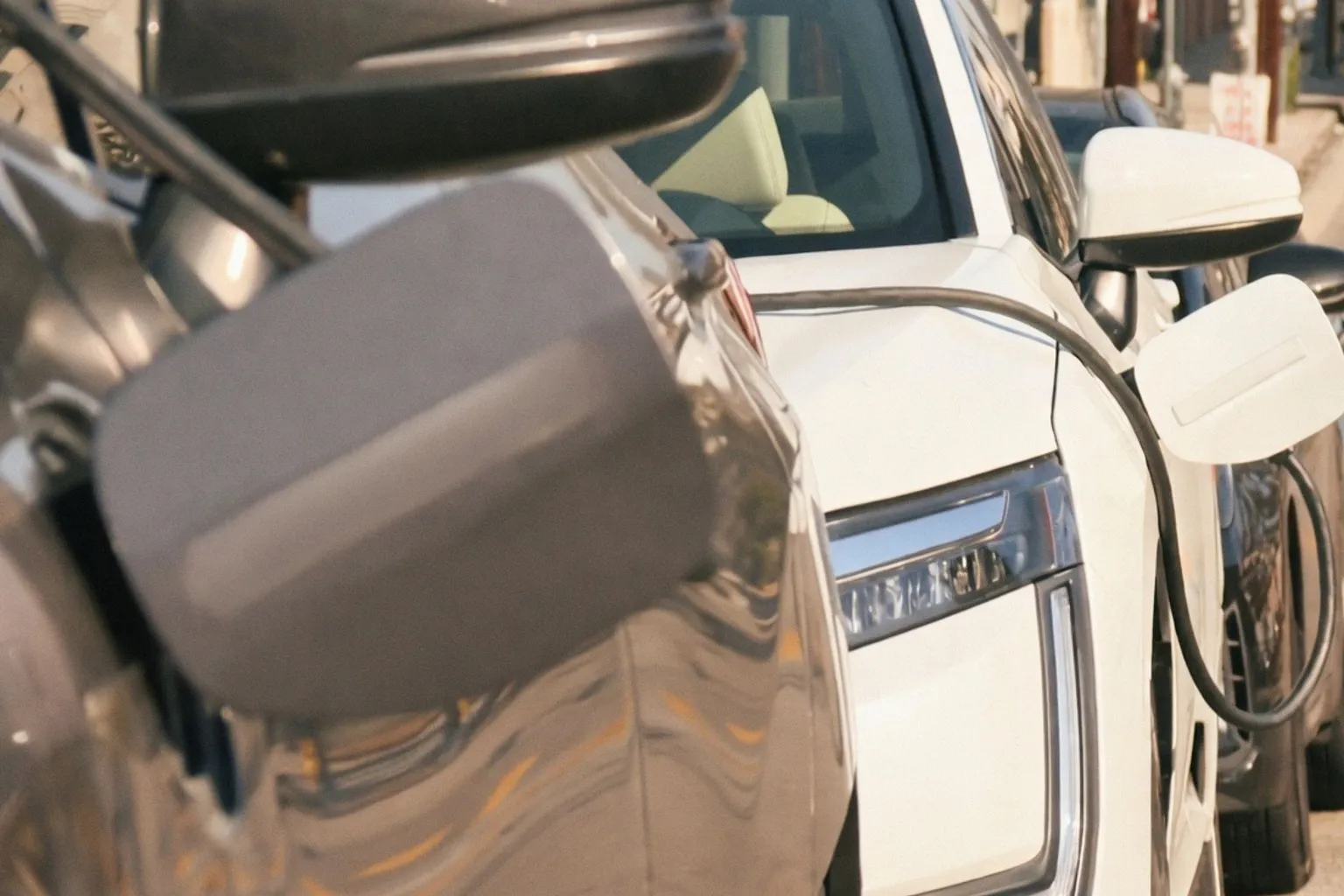
As the organization's Alex Knizek puts it, the sweet spot is a vehicle still under its battery warranty but depreciated enough to make the numbers work. Before you sign anything, the real homework happens with a scan tool, a flashlight, and a healthy respect for what a degraded pack actually feels like from the driver's seat.
Reading the pack before you read the sticker
When we say "battery condition," we're not talking about a single number on the dashboard. The pack's state of health lives in a handful of parameters that the car logs every time you plug it in: usable capacity versus original capacity, cell-to-cell voltage spread under load, internal resistance, thermal behavior during a fast-charge session, and the count of full equivalent cycles it has already lived through.
For most modern imports, that data is accessible through the manufacturer's diagnostic suite or a capable third-party scanner. If the seller can't produce a recent battery health report — or worse, claims the pack is "fine, trust me" — that's your cue to walk. A pack with noticeable capacity loss might still feel peppy in the showroom parking lot, but it will shed range in winter, throttle back peak charging speed, and cost you in resale when the next buyer does their homework.
Consumer Reports advises asking directly about the battery warranty, the advertised charging speed, and whether the car has received the latest software updates. Those three answers tell you whether the previous owner treated the pack like an appliance or like the most expensive wearable component on the vehicle.
The bills hiding behind the deal
Consumer Reports also flags the costs that turn a smart purchase into a monthly regret. Insurance on an EV can run higher than its gas equivalent, a home charger is easy to treat as optional infrastructure until you live without one, and maintenance has its own learning curve compared to a conventional import.
Then there's the one Knizek keeps returning to: if you end up needing a replacement pack, the cost could be more than the car is worth. We see this in the bay more than we'd like. A used import EV with a marginal pack often looks like a deal until the quote for a refurbished battery arrives, and suddenly you're upside down before the first service interval.
Watching the horizon
The wider industry isn't standing still either. As reported by The EV Report, CATL recently unveiled its TECTRANS II commercial-vehicle battery — a quiet reminder that pack chemistry, thermal management, and serviceability are all moving targets. What counts as a "good" used EV today may look very different from the one rolling onto a flatbed two model years from now.
The practical takeaway is the same one we've handed down at the bench for decades: measure before you buy, budget for the worst-case repair, and remember that the cheapest car on the lot is rarely the cheapest car to own.