Integrating Biosensing Technology into Modern ADAS and Vehicle Maintenance
According to Autobody News, in-cabin biosensing hardware is being designed to integrate directly with ADAS control modules, and repair facilities will need to recognize when these systems require…
Aldous Moorland·updated August 18, 2026
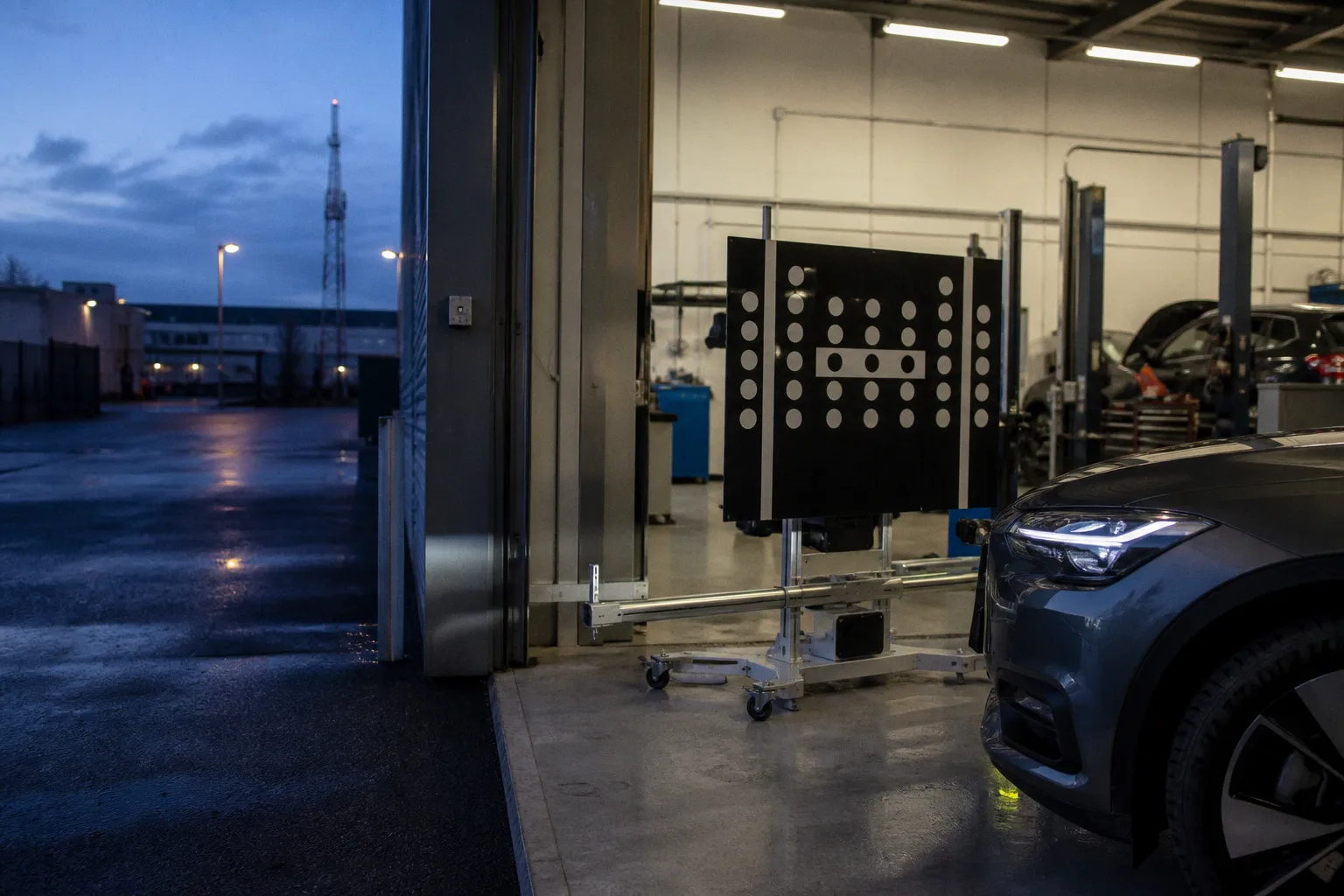
According to Autobody News, in-cabin biosensing hardware is being designed to integrate directly with ADAS control modules, and repair facilities will need to recognize when these systems require inspection or calibration. The technology was showcased in June at AutoSens USA, co-hosted with InCabin USA in Detroit, where suppliers presented sensor stacks that read physiological signals rather than mere driver presence. For import service technicians, this expands the diagnostic envelope past the seat pressure sensor and into the occupant's biometric state.
Signal Domains and the Hardware Boundary
The distinction between biometric identification and biosensing is critical for accurate DTC interpretation. Kelly Rickert, director of Sensing and Data Solutions for Mitsubishi Electric Automotive America (MEAA), drew the line in an interview with the publication: biometrics authenticate the individual through fingerprints or voice patterns; biosensing measures physiological condition. MEAA reports it has evaluated how abnormal driver states contribute to safety risks, working with medical and academic partners on indicators that allow the vehicle to recognize when a driver or occupant's condition requires attention.
Parallel research from Raparthi Yaswanth and M. Rajasekhara Babu at the Vellore Institute of Technology documents how vehicular sensors and biosensors have become integral to vehicle safety, performance optimization, and driver wellbeing. Their article, "Revolutionizing Automotive Technology: Unveiling the State of Vehicular Sensors and Biosensors," traces the integration of AI-driven analytics, connected vehicle ecosystems, IoT platforms, and real-time health monitoring into the broader framework of intelligent transportation systems. In-cabin sensing is described as evolving from basic driver alert features to more context-aware driver and occupant monitoring.
Diagnostic Implications for the Service Bay
When a vehicle enters the bay with ADAS-related complaints, the post-repair verification sequence must now account for cabin-side sensor arrays. If the windshield was replaced, forward-facing camera recalibration is standard procedure. If the steering column or seat assembly was disturbed, the in-cabin monitoring system may require reinitialization. Verification requires confirming the sensor recognizes the occupant's baseline physiological state before the vehicle is released.
The autonomous deployment timeline reinforces the trend. The California Public Utilities Commission has approved Waymo's Advice Letter No. 4, authorizing commercial driverless ride-hailing across 18 Northern and Southern California counties, covering both the Jaguar I-Pace fleet and the sixth-generation Driver system. Pony.ai and Uber Technologies have announced plans to deploy more than 2,000 Level 4 autonomous vehicles across Europe, building on an initial Zagreb deployment. Uber Japan and Hinomaru Kotsu are preparing an autonomous pilot in Tokyo for late 2026 using Nissan LEAF units equipped with Wayve AI Driver technology.
Each platform carries a sensor stack that will eventually require service bay access. The diagnostic baseline now includes physiological signal integrity, not just radar and camera alignment.