Nissan and Honda Join Forces to Standardize Future Vehicle Software
According to Car and Driver, the two automakers signed the deal on August 31 to co-develop standardized electronic control units and a unified core software architecture — the kind of foundation work…
Judson Grier·updated September 03, 2026
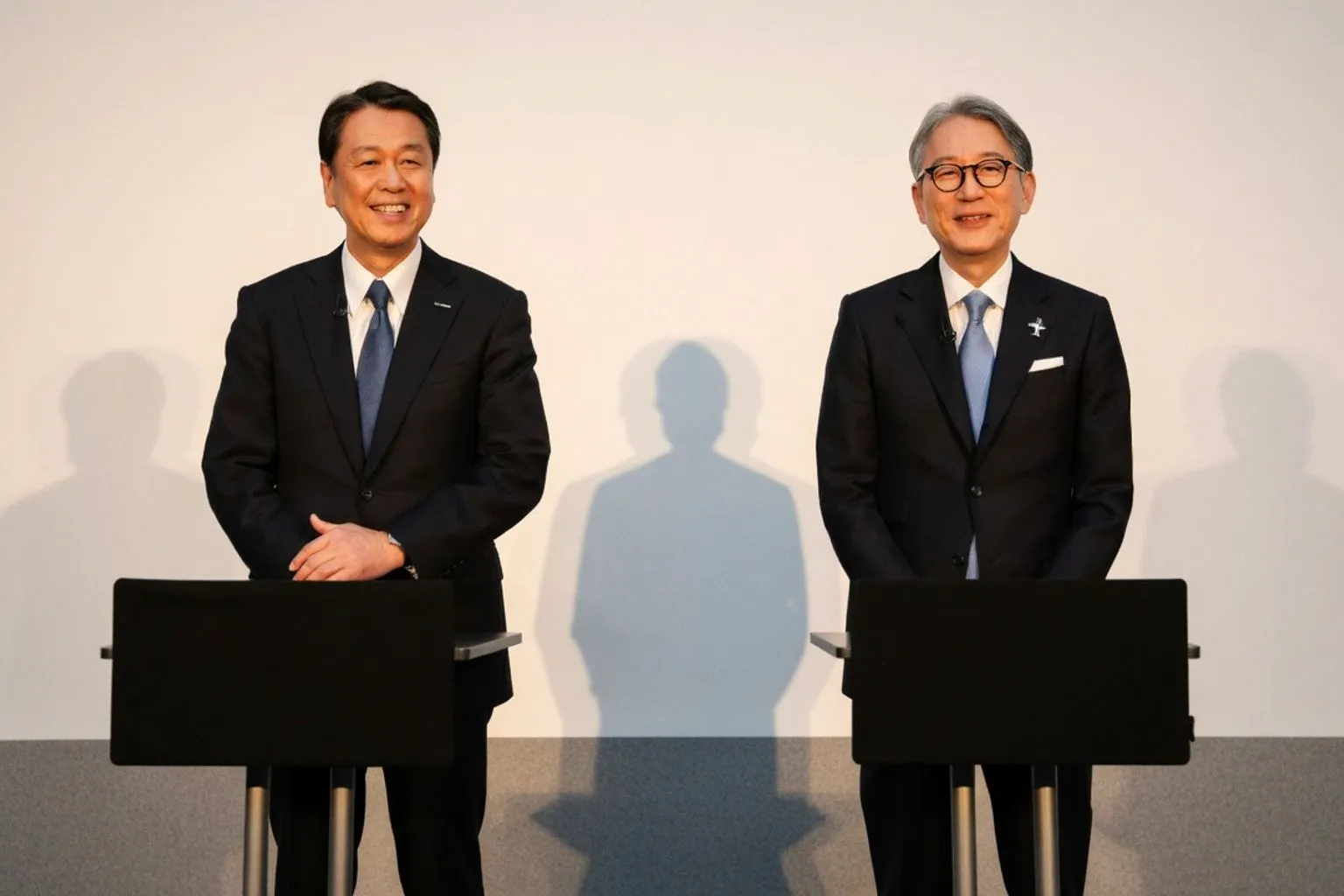
Nissan and Honda have put pen to paper on a joint-development agreement that, on the surface, looks like another corporate handshake but underneath points to a quieter shift in how the next generation of Japanese imports will be wired together. According to Car and Driver, the two automakers signed the deal on August 31 to co-develop standardized electronic control units and a unified core software architecture — the kind of foundation work that decides whether our scan tools will be reading familiar codes or deciphering something entirely new by the end of the decade.
The stack underneath
The agreement covers three layers we care about: the ECUs themselves, the in-vehicle operating system, and the middleware sitting between hardware and code. Honda and Nissan say this shared stack will land in "software-defined vehicles" starting in fiscal year 2029. If you've spent enough hours around a bay, you know that phrase is industry shorthand for a car whose behavior is shaped more by lines of code than by the physical components bolted to the subframe — throttle mapping, drive modes, even the way an automatic transmission decides when to shift can all be rewritten rather than re-engineered.
For us, the practical read is consolidation. Fewer bespoke ECUs per platform means, in theory, fewer wiring variants to memorize and fewer proprietary protocols to chase when a module goes dark.
Why it matters at the workbench
Here's the part that should temper the optimism, though. Standardization at the factory floor doesn't always translate to simpler repair work. More likely, it pulls the diagnostic process deeper into software authentication, module coding, and network marriage — the kind of work that asks for factory tooling, subscription access, or a J-2534 pass-through with the right calibrations loaded. When these vehicles start rolling into your shop, plan on spending extra time confirming a module is properly seated on the vehicle network before you go chasing a phantom hardware fault.
The two companies frame this as faster development cycles and tighter investment, which is corporate language for "we need to keep pace with the Chinese OEMs pushing refreshed tech on shorter cycles." For the rest of us in the garage, that rhythm means a steadier drumbeat of new architectures landing on a tighter cadence — less breathing room between relearning platforms.
What to keep on the radar
Worth remembering that the failed merger talks from late 2024 and early 2025 already collapsed; the two walked away from creating what would have been the world's third-largest automaker, then kept talking. This partnership is the softer version of that conversation — shared bones, separate sheet metal. Watch for how the ECU standardization shakes out across both nameplates, and whether the shared middleware permits cross-platform module swaps, or whether each automaker keeps its own gateway walls in place. That detail alone will decide whether aftermarket support becomes easier or harder once these vehicles start showing up on used-car lots a few years after launch.