Choosing the Right OBD2 Diagnostic Tools for Toyota and Lexus Vehicles
OBDeleven has released a comparative guide ranking OBD2 scanners across the Toyota and Lexus product range, with hybrid-specific diagnostic capability and manufacturer-defined fault code coverage…
Aldous Moorland·updated August 31, 2026
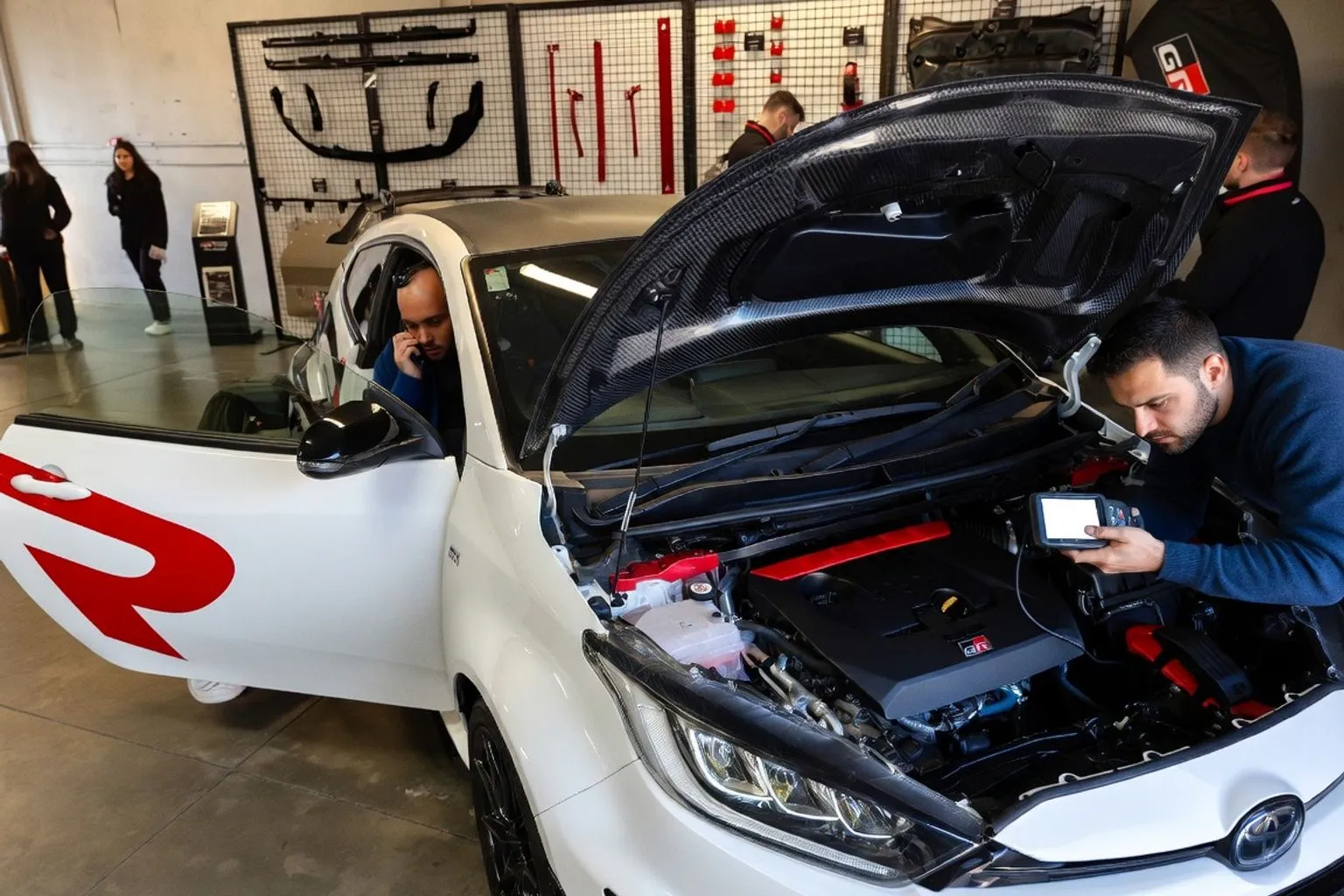
OBDeleven has released a comparative guide ranking OBD2 scanners across the Toyota and Lexus product range, with hybrid-specific diagnostic capability and manufacturer-defined fault code coverage identified as the primary differentiators from generic scan tools.
The guide separates Toyota/Lexus service work from emissions-only OBD-II reading at two diagnostic thresholds. Hybrid battery state-of-charge monitoring, expressed as the ΔSoC delta, requires tools capable of reading proprietary hybrid parameters that standard scanners omit. Manufacturer-specific fault codes further require resolution beyond generic P-code ranges and into the fault definitions tied to Toyota's electronic architecture. Standard readers address neither.
Concurrent factory shift in ECU access
The scanner publication coincides with a structural change from Toyota toward owner-accessible ECU recalibration. According to Toyota New Zealand parts and accessories manager Clint Beaumont, the manufacturer now distributes factory-developed performance software for existing customer vehicles, a reversal of the brand's previously sealed-ECU policy. "Historically Toyota ECUs were locked down," Beaumont noted. "You just could not get in there and play with the software. So this is a massive win for us that we can actually get in there now."
The consolidated software package, priced at approximately $1200, integrates torque delivery recalibration, steering feel adjustment, and AWD power distribution set to a 60/40 rear-bias in standard mode. The infrastructure enabling this — open ECU communication channels and factory-supported calibration flash — removes a barrier that previously constrained both aftermarket performance work and post-modification verification. Baseline readings and post-flash confirmation require scan tools equipped with live-data capture and manufacturer-level code access, toolset criteria the OBDeleven guide evaluates directly.
Diagnostic baseline before purchase
Service work on Toyota and Lexus imports should be benchmarked against two scanner requirements before any tool selection. ΔSoC read accuracy at the hybrid battery management module ensures state-of-charge is obtained directly from the system rather than estimated externally. DTC retrieval across manufacturer-specific code sets ensures that faults beyond the generic emissions range — those driving most hybrid, drivability, and chassis-electronics service work — can be read, cleared, and re-verified through the same tool. The criteria align with both the scanner comparison and the verification demands placed on any technician confirming a factory software flash.