Indian Auto Component Sector Faces Technology Pivot as Electronics Hit 50% of Car Costs by 2030
Automotive electronics will command 50–55% of total vehicle production costs by 2030. That figure, sourced from a joint BCG–ACMA report, represents a structural shift from roughly 30% recorded in 2020.
Aldous Moorland·updated September 05, 2026
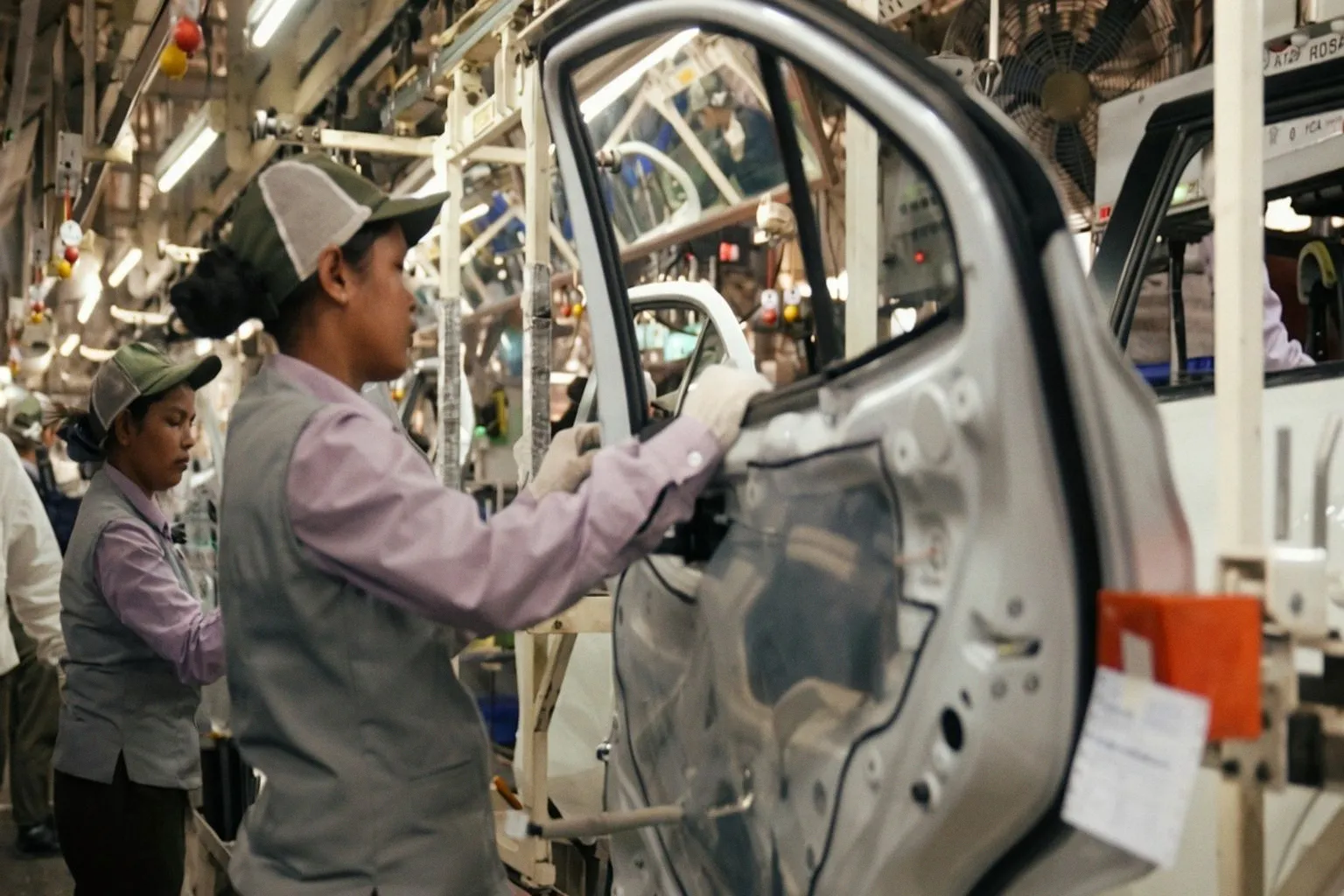
The 50% Threshold
For anyone maintaining or diagnosing modern imports, the implication is immediate: the electronic architecture under your hood is no longer a subsystem. It is the system.
The Capability Gap
Indian component manufacturers currently supply only about 12% of domestic electronics demand. The mechanical-to-electronic pivot required to close that gap demands fundamental retooling — sensors, ECUs, power electronics, and battery management systems replace stamped metal and cast housings as primary deliverables. Firms unable to redirect capital toward R&D and high-tech engineering capacity risk displacement by global suppliers already embedded in the electronic supply chain.
The industry targets a $200 billion valuation by 2030. Meeting that number requires more than production scale. It requires an entirely different competency model.
Margin Pressure and Inventory Drag
The transition compounds existing stress on operating margins. Volatile input costs — steel, aluminum — combined with elevated freight expenses force manufacturers into extended buffer stock postures. Several weeks of additional inventory tie up working capital and compress short-term financial performance. The cash burden of carrying both legacy mechanical lines and nascent electronic programs simultaneously is non-trivial.
What This Means at the Bench
For the technician working on European and Asian imports, the trend line is already visible in the wiring harness density, the proliferation of domain controllers, and the baud-rate dependencies between modules that did not exist a decade ago. The electronics content per vehicle is climbing whether the platform wears an ICE badge or an EV label — ADAS arrays, connected infotainment stacks, and high-voltage battery management systems are the primary cost drivers.
Baseline parameters to watch: module count per platform, network topology complexity, and the ratio of software-defined features to hardware-fixed functions. If the Indian supply chain successfully localizes this content, replacement part availability and pricing dynamics shift. If it does not, OEM dependency on established Tier 1 electronic suppliers deepens — and so does the diagnostic complexity when those proprietary systems fault out.
Verify. Do not assume.